Rental Property ROI
When you hear Rental Property ROI, the return you earn from renting out a property, expressed as a percentage of the money you invested. Also known as rental return, it tells you whether a rental is worth the effort. Rental Property ROI isn’t just a number; it pulls together several key metrics that paint the full picture of a deal. For example, Cap Rate, annual net operating income divided by purchase price shows how fast you can recoup your initial outlay, while Cash Flow, money left after paying all expenses each month reveals the month‑to‑month profit you actually pocket. Add Rental Yield, gross annual rent divided by property value into the mix, and you have a trio of figures that together determine the overall ROI. In short, Rental Property ROI = (Cash Flow + Appreciation + Tax Benefits) ÷ Total Investment, and each component relies on the other two to be meaningful. Understanding these links helps you spot strong deals, avoid cash‑draining traps, and set realistic profit goals before you sign a lease.
Key Metrics That Shape Your Rental Return
Let’s break down the three metrics that most investors watch. Cap Rate, annual net operating income divided by purchase price is a quick way to compare properties of different sizes and locations; a 6% cap rate usually signals a solid, low‑risk investment, while double‑digit caps often mean higher risk or undervalued assets. Next, Cash Flow, money left after paying all expenses each month tells you if the rental can cover its own costs. Positive cash flow means you’re not borrowing from other income streams, whereas negative cash flow forces you to subsidize the property out of pocket. Then there’s Rental Yield, gross annual rent divided by property value. Yield focuses on the rent‑to‑price ratio, giving you a sense of how aggressively the market is pricing rent relative to value; a 4‑5% yield is typical in stable metros, while emerging towns can push that number above 8%. Each metric has its own attributes. Cap rate’s key attribute is the net operating income (NOI), which you calculate by subtracting property‑management fees, taxes, insurance, and maintenance from gross rent. Cash flow’s attribute is the monthly cash‑flow figure after mortgage payments and variable costs. Rental yield’s attribute is the gross rent before any expenses. Values vary by city: for example, a 2BHK in Mumbai might generate a 3% yield, while a similar unit in a Tier‑II city could hit 7%. Knowing these values lets you set benchmarks, decide whether to prioritize high yield or high cash flow, and align the property with your investment horizon.
Putting the pieces together is where the real work starts. Start by plugging the NOI into the cap‑rate formula to see how fast you’ll get your money back. Then run a cash‑flow spreadsheet to verify that each month leaves you with extra cash instead of a shortfall. Finally, compare the gross rent to the purchase price to confirm the rental yield meets your target. If any of the three numbers feels off, dig deeper – maybe the property needs a renovation that will boost rent, or perhaps the loan terms are too aggressive and need refinancing. Common pitfalls include ignoring vacancy periods, under‑estimating repair costs, and overlooking tax benefits that can improve ROI. By treating ROI as a combination of cap rate, cash flow, and rental yield, you turn a vague percentage into a clear, actionable plan. Below you’ll find articles that walk you through each step, from calculating a good cap rate to maximizing cash flow and understanding how Section 8 subsidies affect your returns. Dive in to sharpen your numbers, avoid costly mistakes, and start seeing real profit from your rentals.
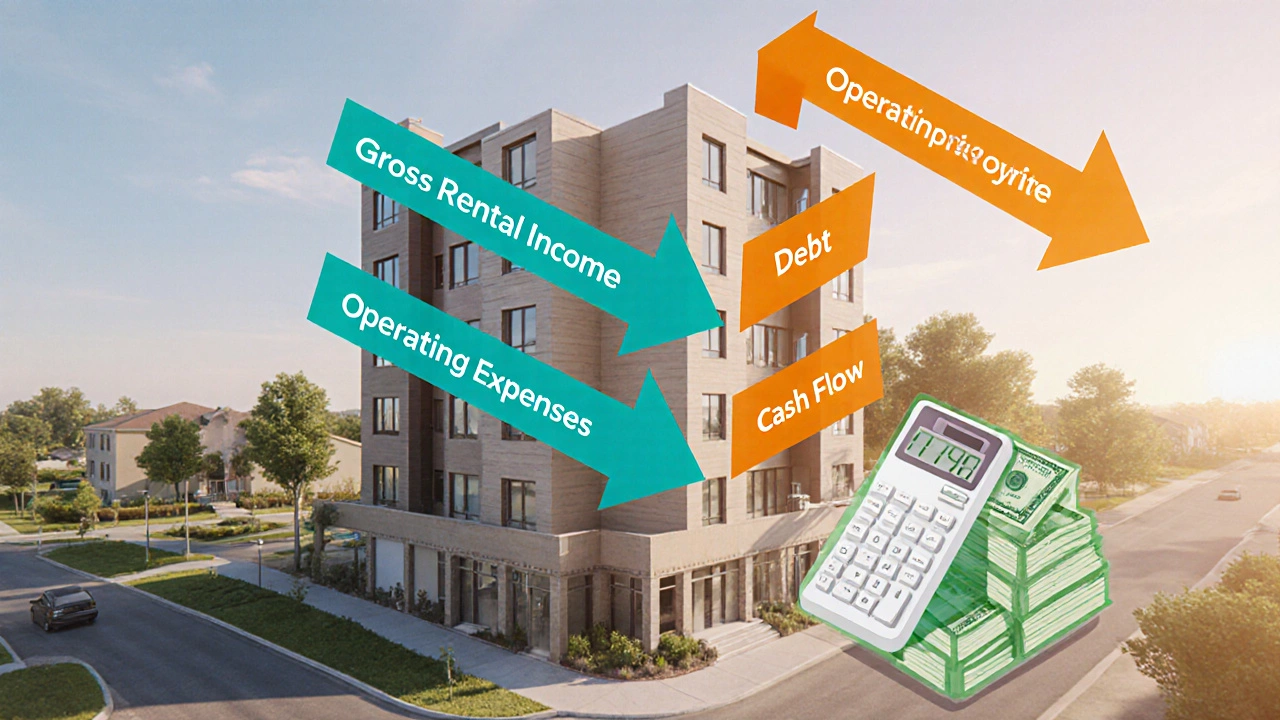
Good Cash Flow for a Rental Property: How to Calculate and Benchmark
Learn how to calculate cash flow for a rental property, benchmark what counts as good cash flow, and use key ratios to evaluate investments.

What Type of Rental Property Makes the Most Money?
Discover which rental property type delivers the highest return, how to calculate ROI, and what factors affect cash flow. A practical guide for investors in 2025.