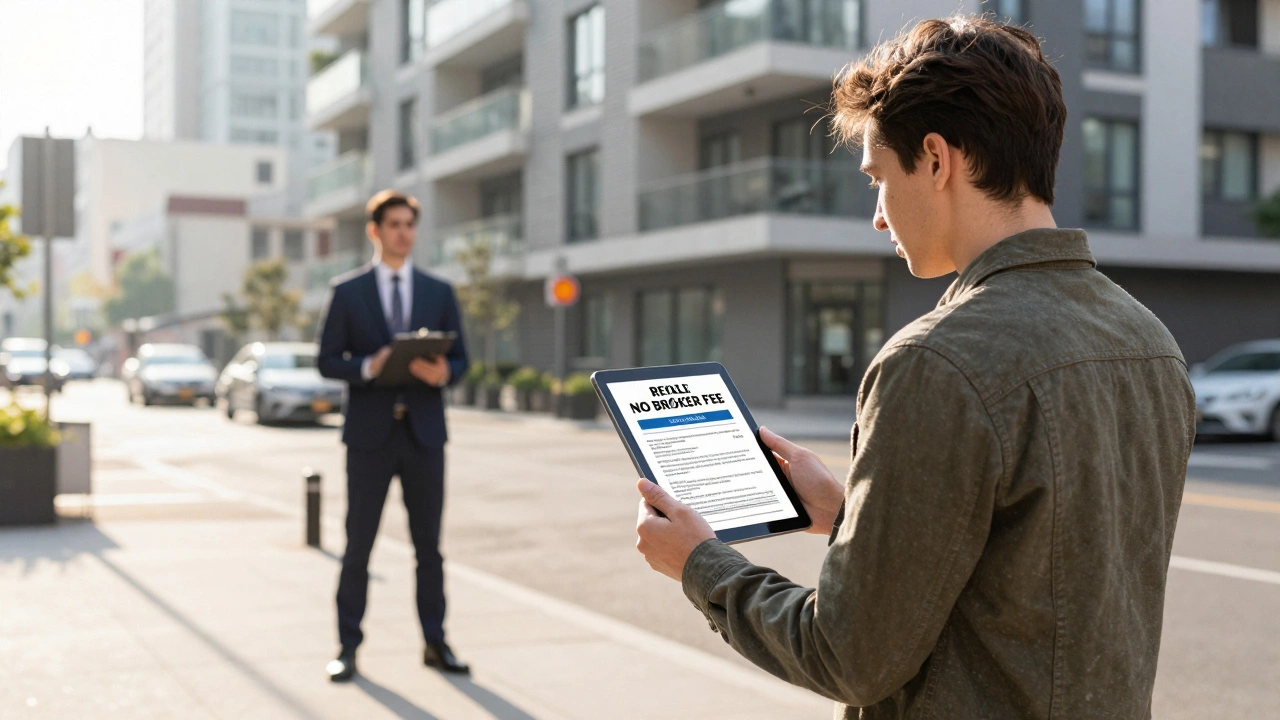
Retail Leasing: What You Need to Know About Commercial Space Rentals
When you hear retail leasing, the process of renting commercial space for stores, restaurants, or services. Also known as commercial retail tenancy, it's not just signing a lease—it's locking in your business’s future visibility, foot traffic, and operating costs. Unlike renting an apartment, retail leasing ties your success directly to the location’s performance. A spot near a busy entrance or next to a popular brand can double your sales. A poor location—even with low rent—can sink your business before it starts.
What makes retail leasing different is how rent is calculated. Many landlords use net operating income, the profit a property generates after paying operating expenses but before taxes and debt to set lease terms. That means your rent might be based on your sales, not just square footage. This is called percentage rent, and it’s common in malls and high-traffic areas. You pay base rent plus a cut of your revenue. It sounds risky, but if your store does well, the landlord shares in your success. It also means they have a reason to keep the center busy and well-maintained.
Then there’s the commercial property, any building used for business purposes like shops, offices, or warehouses itself. Not all retail spaces are built the same. A standalone storefront needs its own parking and signage rights. A space inside a mall might have shared HVAC and security but strict hours and design rules. You also need to know who pays for repairs—sometimes it’s you, sometimes it’s the landlord. That’s why reading the lease isn’t optional; it’s your first line of defense.
And don’t forget the hidden costs. Insurance, property taxes, cleaning, and utility upgrades often fall on the tenant. That’s why savvy retailers check the retail space, a commercial unit designed specifically for selling goods or services to customers history. Has the space been empty for years? Why? Was there a fire? A lawsuit? A failed tenant? These aren’t just trivia—they’re red flags.
Some leases last three years. Others go five, ten, even longer. The longer the term, the more negotiating power you have on rent. But if your business doesn’t take off, you’re stuck. That’s why many new owners start with shorter terms or include an early-out clause. You can also ask for fit-out allowances—money from the landlord to build out your space. It’s not guaranteed, but it’s worth asking.
What you’ll find in these posts isn’t theory. It’s real data from people who’ve been there. You’ll see how much a 1,000-square-foot retail spot actually costs in Australia, how CPM rates affect advertising in shopping centers, and why NOI matters more than the monthly rent when you’re evaluating a location. You’ll learn how to spot a good deal, avoid common lease traps, and understand what landlords really care about when they sign you on.
Whether you’re opening a coffee shop, a boutique, or a repair service, retail leasing is your first real test. It’s not about how much you want the space—it’s about whether the space wants you.
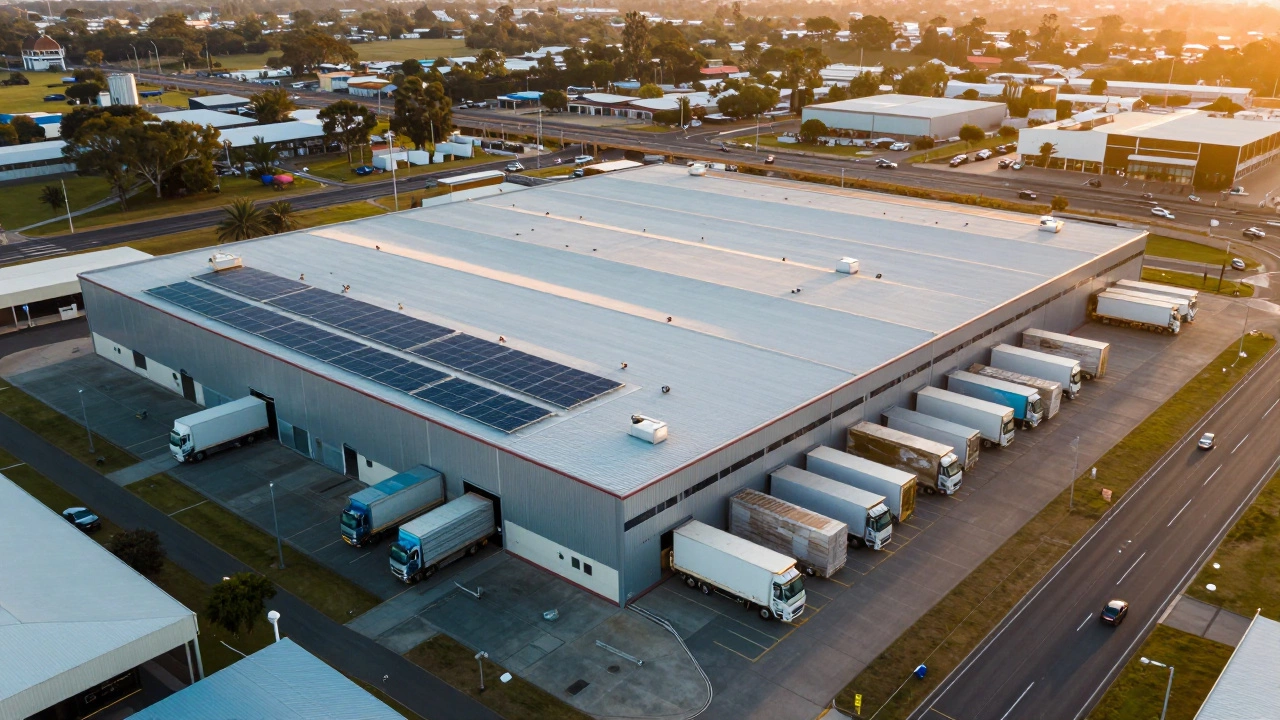
Where Is the Most Money in Commercial Real Estate?
Industrial warehouses, multi-family buildings, and neighborhood retail are generating the highest returns in commercial real estate in 2025. Learn where the real money is-and where to avoid investing.