Room Occupancy: Understanding the Basics and Its Impact
When working with Room Occupancy, the number of people living in a rental unit at any time. Also known as occupancy rate, it directly influences rent calculations, lease conditions, and compliance with local housing rules. Think of it as the heartbeat of any rental property – change the count and you change the whole financial picture. For landlords, knowing the exact occupancy helps set fair rent, avoid over‑crowding penalties, and keep the property in good shape. For tenants, it clarifies how many roommates are allowed and what extra fees might apply.
One of the most common tools that governs room occupancy is the Rental Agreement, a contract that spells out the rights and duties of both landlord and tenant. This document typically includes an occupancy clause that caps the number of occupants per bedroom or square foot. When the agreement is clear, disputes over extra guests or sub‑letting drop dramatically. Another closely related concept is Lease Terms, the specific conditions of a rental period such as duration, renewal options, and notice periods. Lease terms dictate whether a tenancy is month‑to‑month, fixed‑term, or rent‑to‑own, each of which treats occupancy differently. A month‑to‑month lease, for example, often allows quicker adjustments to the occupancy count compared to a year‑long lease.
Beyond contracts, Tenant Rights, legal protections that ensure fair treatment for renters play a vital role. Many states impose strict occupancy limits to prevent health hazards and preserve property value. Knowing your rights helps you challenge illegal over‑crowding or unexpected rent hikes tied to extra occupants. Rent control ordinances also intersect with occupancy: some jurisdictions cap rent increases based on the number of people living in a unit, so understanding local rent control rules can save both parties money.
Why Occupancy Matters for Investors and Homebuyers
Investors often look at the occupancy rate as a key performance indicator. A high, stable occupancy suggests reliable cash flow, while frequent turnover can signal underlying issues like poor maintenance or overly restrictive lease terms. For homebuyers eyeing a property in Shriram Chirping Woods, checking the historical occupancy data helps gauge whether the community is family‑focused, student‑dense, or suited for retirees. This insight feeds directly into budgeting for utilities, maintenance, and potential rental income if you plan to lease the home later.
All these pieces—rental agreements, lease terms, tenant rights, and rent control—create a web of rules that shape how many people can comfortably and legally share a space. Below you’ll find articles that break down each element, from calculating cap rates for commercial spaces that affect occupancy decisions, to step‑by‑step guides on month‑to‑month contracts, and the latest rent‑increase limits across the U.S. Dive into the collection to get concrete examples, checklists, and real‑world numbers that will help you manage or evaluate room occupancy with confidence.
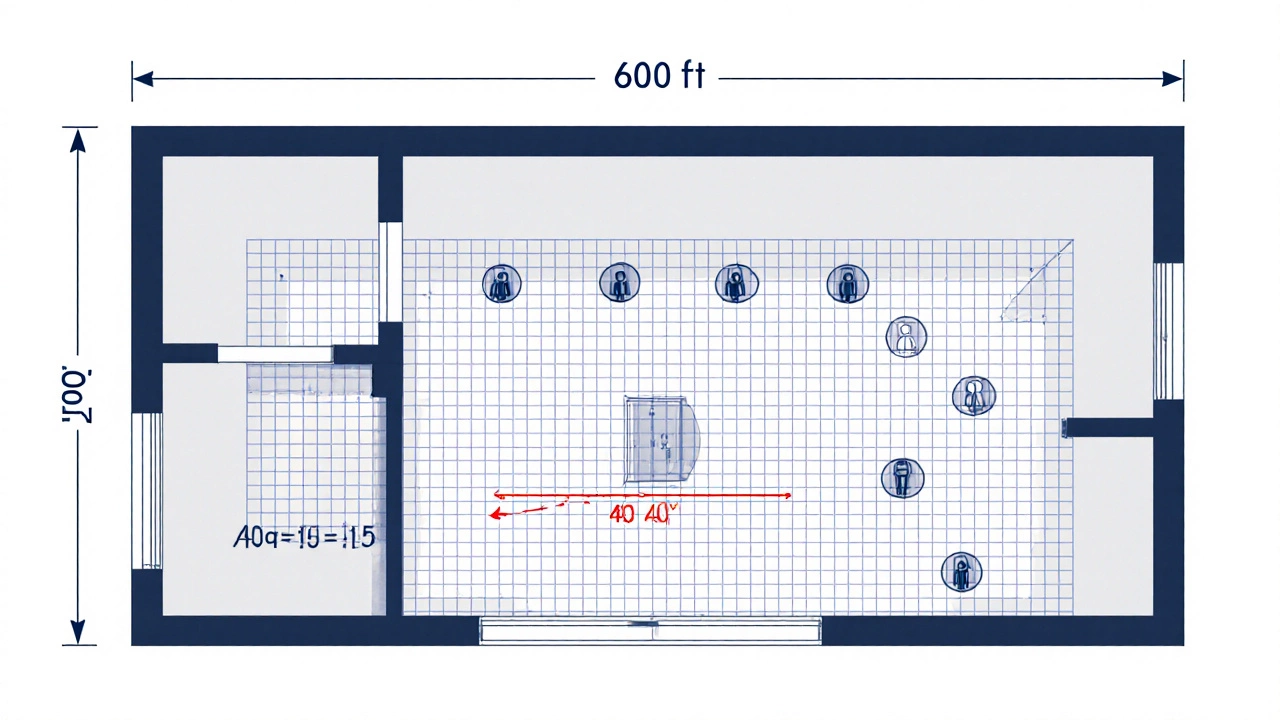
How many people can fit in a 600 sq ft room? Calculate the capacity for a 2BHK space
Find out exactly how many people can safely fit in a 600 sq ft room. Learn the math, code rules, and practical tips for 2BHK apartments in a clear, step‑by‑step guide.