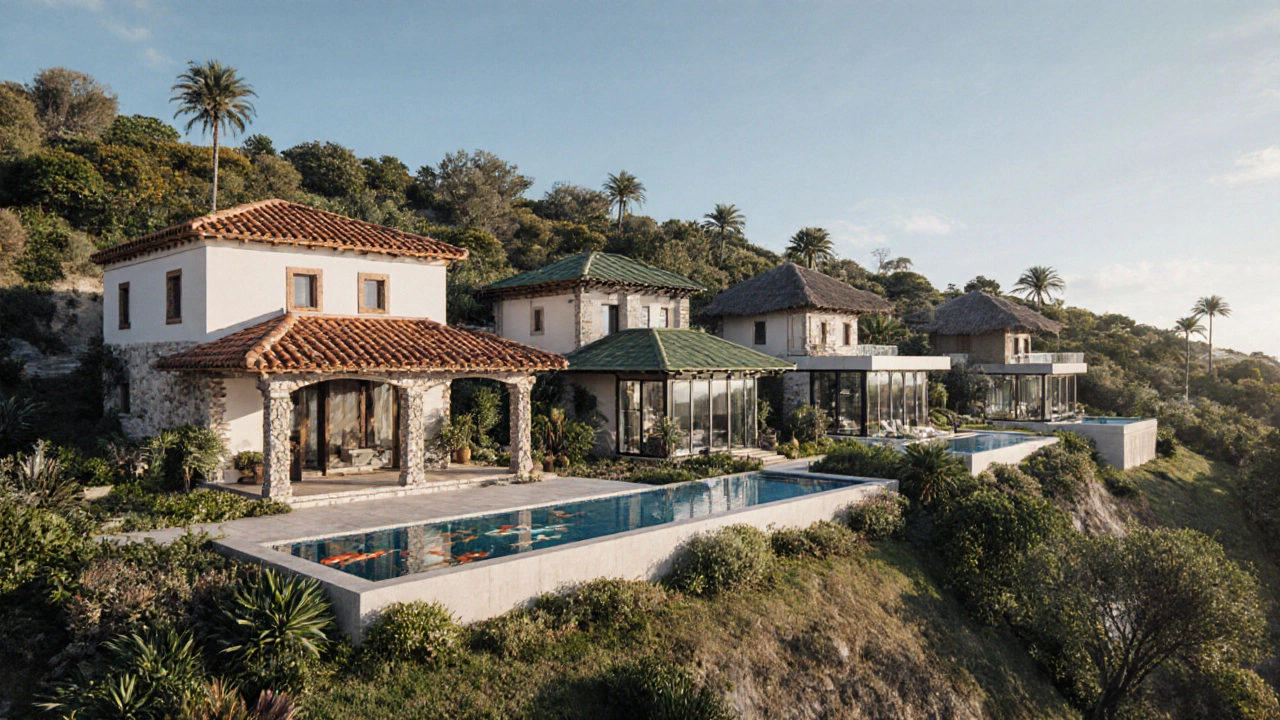
Villa Exterior
When you look at a Villa Exterior, the outward look of a villa, covering its façade, materials, and surrounding landscape. Also known as villa façade, it sets the tone for the whole property and tells a story before anyone steps inside. The villa exterior can boost market value, improve energy efficiency, and make daily life feel more pleasant. Most owners focus first on interior spaces, but the shell you see from the street decides the first impression and influences how you feel about the home. That’s why understanding its key elements matters whether you’re buying, renovating, or simply admiring. A thoughtful exterior also reduces maintenance costs by using climate‑appropriate finishes.
The Villa Architecture, the overall structural style and layout of a villa, ranging from classic Mediterranean to modern minimalist directly shapes the exterior. Roof pitch, column placement, and window proportions are architectural decisions that become the visual language of the façade. For example, a sloping terracotta roof instantly signals a traditional look, while flat concrete slabs suggest a contemporary vibe. Architects consider climate, site orientation, and cultural context, so the architecture decides which materials work best and how shadows play across walls. When the architecture aligns with the intended aesthetic, the exterior feels cohesive and purposeful. This harmony between form and function also helps the building meet local zoning and energy codes.
Beyond the structural envelope, Villa Design, the decorative choices such as colour palettes, window styles, and ornamental details brings personality. Choosing a warm earth tone can blend a stone house into a wooded setting, while crisp white highlights modern lines. Door frames, balcony railings, and lighting fixtures act as focal points that guide the eye. Designers often use repetition—matching the colour of shutters with the front door—to create harmony. These design touches are the “fine‑tuning” that turns a plain box into a welcoming home and directly impacts the property’s curb appeal. Color blocking, texture contrast, and selective glazing are tools designers use to create visual depth without extra construction.
An attractive Landscaping, the arrangement of plants, hardscape features, and outdoor spaces surrounding a villa completes the exterior experience. A well‑planned garden can soften harsh lines, direct traffic, and provide privacy. Native trees offer seasonal shade, while a gravel pathway guides visitors to the entrance. Water features add sound and a sense of calm, and strategic lighting extends usability after sunset. When landscaping respects the villa’s architectural language—using stone pavers that match the façade, for instance—the whole property feels unified. Seasonal planting schedules keep the garden vibrant year‑round and reinforce the villa’s character.
All these pieces feed into curb appeal, the metric that gauges how attractive a property looks from the street. High curb appeal often translates into faster sales and better rental rates. It’s not just about flashy aesthetics; it’s about functional harmony—roof, walls, doors, windows, and garden working together. For homeowners, investing in a cohesive exterior can yield a return of 5‑10 % in resale value, according to recent market surveys. For renters, a strong curb appeal signals careful maintenance and can justify higher rents. Buyers often judge interior quality based solely on what they see outside, so a polished exterior can set expectations high.
Choosing the right Building Materials, the physical substances like stone, stucco, wood, or metal used for the villa’s outer shell ties together architecture, design, and landscaping. Stone offers durability and a timeless look, while stucco can be tinted to match local soils. Wood siding adds warmth but needs regular upkeep in humid climates. Metal panels provide a sleek, low‑maintenance finish and reflect heat, improving energy performance. The material palette should reflect climate, budget, and the desired visual impact, ensuring the exterior ages gracefully. Recycling reclaimed wood or using locally quarried stone not only cuts carbon footprint but also adds a story to the home.
Now that you see how architecture, design, landscaping, curb appeal, and material choices intertwine, you’ll find a range of articles below that break each element down further. Whether you’re planning a fresh paint job, picking a roof style, or mapping out a garden, the collection offers practical tips and real‑world examples to help you shape the perfect villa exterior.