Homesteading Legality Checker
Check Your Homesteading Legal Status
People often ask if homesteading is illegal in the US. The answer isn’t simple-it’s not banned, but it’s not free either. You can’t just grab any piece of land, build a cabin, and live off the grid without consequences. Homesteading isn’t a loophole. It’s a set of rules, limits, and responsibilities that vary by state, county, and even neighborhood.
What Is Homesteading Today?
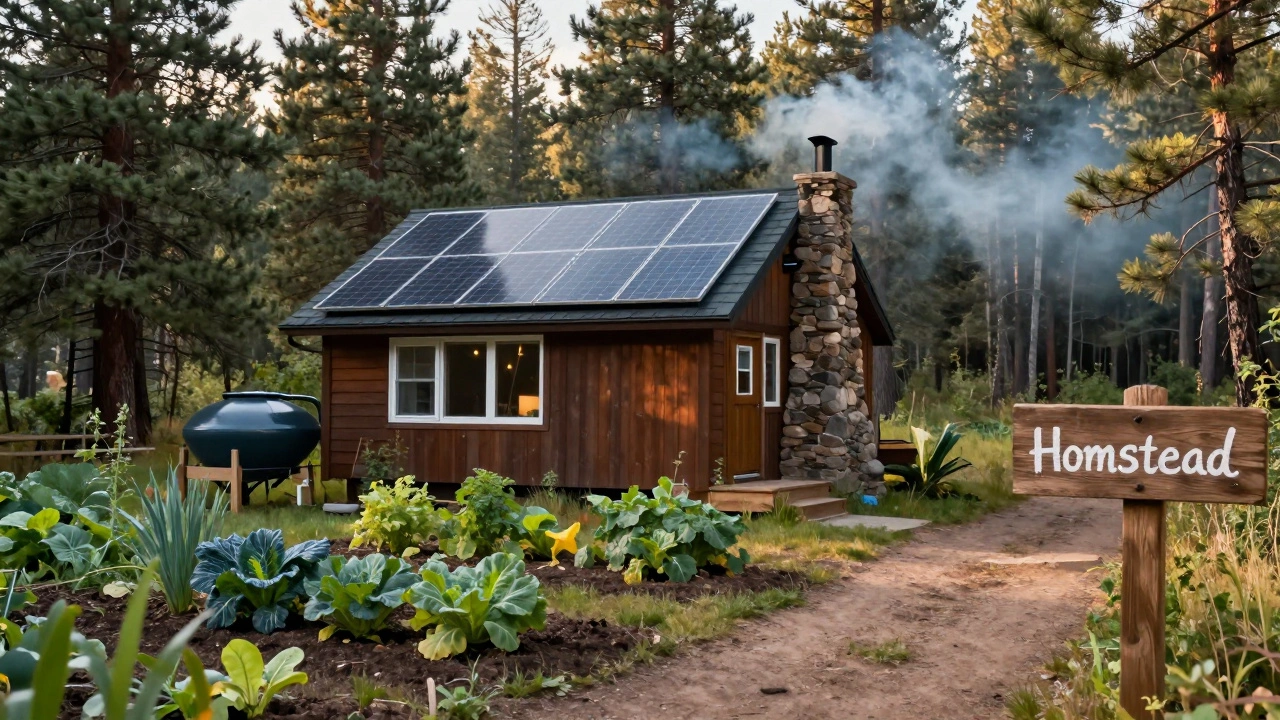
Homesteading used to mean claiming federal land under the Homestead Act of 1862. That law gave 160 acres to anyone who improved it and lived on it for five years. It ended in 1976, and Alaska’s last homestead claim was in 1986. Today, homesteading means something else: self-sufficiency. It’s growing your own food, generating your own power, collecting rainwater, and living with minimal reliance on public utilities.
It’s not about squatting. It’s about owning land and choosing how to use it. Many people who homestead own their property outright. Others lease land with permission from the owner. Either way, they’re not breaking the law-they’re working within it.
Where Homesteading Gets Tricky
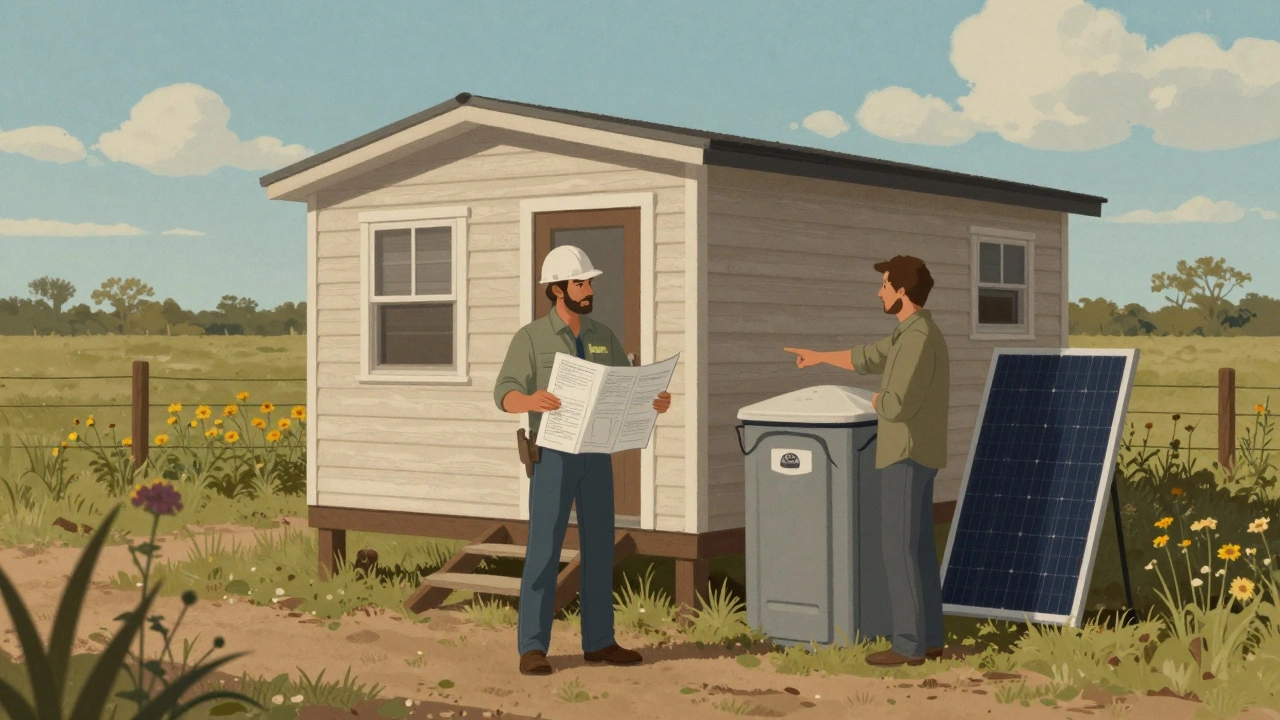
The real issue isn’t homesteading itself. It’s what you do on the land. Local zoning laws, building codes, and health regulations often conflict with off-grid lifestyles.
In rural areas of Montana or Maine, you might be allowed to build a tiny home without permits, use a composting toilet, and run solar panels without interference. But in suburban counties in California or Florida, those same actions could land you with fines or forced removal.
Here’s what commonly triggers legal trouble:
- Building without a permit
- Using an unapproved septic or composting system
- Keeping livestock in zones that forbid it
- Drilling a well without a water rights permit
- Generating power without meeting electrical safety standards
These aren’t anti-homesteading laws. They’re safety and public health rules. But they’re applied unevenly. One county might let you live off-grid with no issues. Another might require you to connect to municipal water-even if you’re 20 miles from the nearest line.
State-by-State Differences Matter
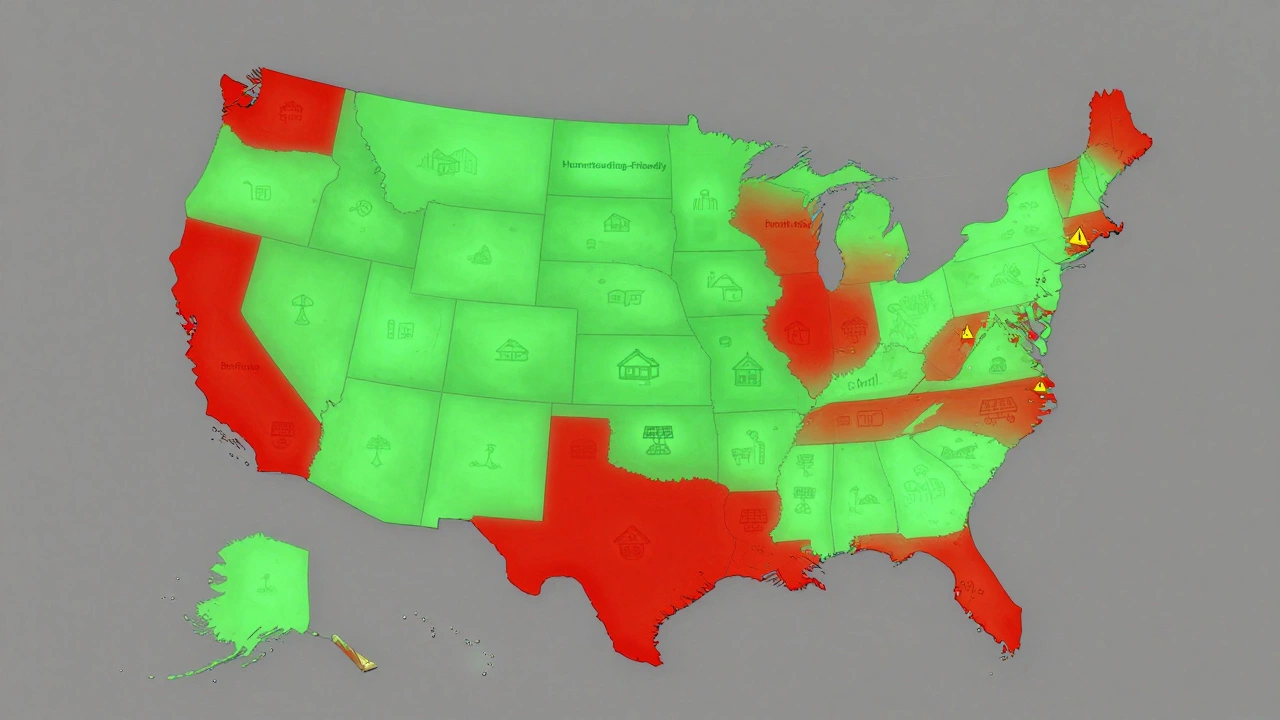
Homesteading isn’t regulated at the federal level. Every state sets its own rules, and counties often add more. Some places are welcoming. Others are hostile.
Alabama, Texas, and Missouri have some of the most forgiving laws. They allow alternative sanitation systems, recognize homestead exemptions for property taxes, and rarely interfere with off-grid power. In Texas, you can even build a tiny home on your own land without a permit if it’s under 200 square feet.
California, New York, and New Jersey are tougher. They require permits for everything-even rainwater collection in some counties. In California, you might need a certified engineer to sign off on your well. In New Jersey, you can’t legally live in a structure without a full septic system approved by the state.
Some states, like Alaska, still have a cultural tolerance for self-reliance. But even there, you need to file for land ownership and follow environmental rules. You can’t just claim a patch of wilderness.
Homestead Exemptions Aren’t What You Think
Don’t confuse homesteading with homestead exemptions. A homestead exemption is a legal protection that shields part of your home’s value from creditors if you’re sued or file for bankruptcy. It has nothing to do with living off the land.
Thirty-eight states offer homestead exemptions. In Florida, you can exempt up to $500,000 of your home’s value. In Iowa, it’s $5,000. These exemptions apply to people who own a house, whether they’re connected to the grid or not.
But if you’re living in a cabin on land you don’t own? No exemption applies. You’re a trespasser.
Can You Live on Public Land?
No. You can’t legally live on national forests, BLM land, or state parks-even if you’re not building anything. Camping is allowed for short periods, usually 14 to 30 days. After that, you must move on.
Some people try to game the system by moving their camp every 28 days. That’s called “boondocking.” But if you’re caught setting up a permanent structure, hauling in propane tanks, or growing crops on public land, you’ll be fined or evicted.
The Bureau of Land Management (BLM) doesn’t allow permanent residences on its land. Even if you’ve been there for years, you’re still violating federal law.
How to Homestead Legally
If you want to live off-grid without breaking the law, here’s how:
- Buy land in a rural area with minimal zoning restrictions
- Check local building codes and health regulations before you buy
- Apply for permits for wells, septic systems, and solar installations
- Connect with neighbors who homestead-they know the local loopholes
- Start small. Build a cabin, grow vegetables, and test your systems before going all-in
Many successful homesteaders start with a small plot-five to ten acres. They focus on soil quality, water access, and sun exposure. They don’t rush. They learn the rules first.
Common Myths About Homesteading
Myth 1: “You can claim land if you live on it for seven years.”
False. Adverse possession exists, but it’s not easy. You must occupy land openly, continuously, and without the owner’s permission for a set number of years-usually 7 to 20, depending on the state. And you must pay property taxes. Most people can’t prove this in court.
Myth 2: “Homesteading means no taxes.”
No. You still pay property taxes. If you own land, you owe taxes. Some states offer tax breaks for agricultural use, but you must prove you’re farming or raising animals.
Myth 3: “Off-grid living is illegal.”
It’s not. But using unapproved systems can be. A solar panel on your roof? Legal. A DIY generator hooked to your fridge without a permit? Risky.
What Happens If You Get Caught?
If you’re living off-grid without permits and get reported, here’s what usually happens:
- You get a notice from the county to fix the issue
- You’re given a deadline to apply for permits or remove structures
- If you ignore it, you face fines-sometimes $500 to $1,000 per day
- Eventually, the county can force you to demolish your home
It’s rare for someone to go to jail. But losing your home? That’s real.
One family in Oregon spent $30,000 building a tiny home on their land. They didn’t get permits. After two years, the county fined them $2,000 a month. They sold the land at a loss and moved.
Homesteading Is Possible-If You Do It Right
Homesteading isn’t illegal. But it’s not a free pass. It’s a lifestyle that requires research, patience, and respect for the law.
The best homesteaders aren’t rebels. They’re planners. They talk to county planners before buying land. They read zoning codes. They ask neighbors what’s allowed. They build relationships with inspectors.
You can live off-grid in the US. But you need to own land, follow the rules, and be ready to prove you’re not a threat to public safety.
It’s not about escaping society. It’s about building a life on your own terms-with the law on your side.
Is it legal to live in a tiny house on your own land in the US?
Yes, if you own the land and follow local zoning and building codes. Some counties allow tiny homes under 400 square feet without permits, while others require full permits for plumbing, electrical, and foundations. Always check with your county planning department before building.
Can you homestead on government land?
No. You cannot legally live permanently on federal, state, or municipal land. Camping is allowed for short periods, but building structures, digging wells, or growing crops on public land violates federal regulations. The Homestead Act ended in 1976, and no new claims are accepted.
Do you have to pay taxes if you homestead?
Yes. If you own land, you pay property taxes. Some states offer tax reductions if you use the land for agriculture or forestry, but you must apply and prove your use. Homesteading doesn’t exempt you from taxes-it just changes how you live.
What states are most friendly to homesteaders?
Alabama, Texas, Missouri, Maine, and Idaho are among the most welcoming. These states have fewer restrictions on off-grid systems, allow alternative septic systems, and offer homestead tax exemptions. Rural counties in these states often have minimal enforcement, making them ideal for beginners.
Is it legal to collect rainwater for home use?
In most states, yes. But in Colorado and Utah, rainwater collection is restricted due to water rights laws. In those states, you can only collect rainwater if you have a permit or use a small system (usually under 110 gallons). Always check your state’s water rights regulations before installing a rainwater system.
Next Steps for Aspiring Homesteaders
If you’re serious about homesteading, start here:
- Visit your county’s planning or zoning office. Ask what’s allowed on residential land.
- Look for land with existing wells or access to water rights.
- Connect with local homesteading groups on Facebook or Meetup.
- Buy a small plot first-test your systems before investing in 20 acres.
- Don’t assume rural means free. Even remote areas have rules.
Homesteading isn’t about rebellion. It’s about responsibility. The land doesn’t care if you’re self-sufficient. But the law does. Do your homework. Build smart. Live free-within the rules.