Montana Land Cost Calculator
Calculate Your Real Land Costs
Montana land often costs much more than the listing price. See what your actual costs will be before you buy.
Estimated Total Cost
Buying land in Montana sounds like a dream-wide-open spaces, mountain views, and the promise of solitude. But before you hand over your money, you need to know what’s really on the other side of that listing photo. It’s not just about how pretty the land looks. It’s about water rights, access roads, zoning rules, and whether your generator will actually keep the lights on in -30°F winters. Thousands buy land in Montana every year. Many never build. Some regret it within months. Here’s what you need to know before you commit.
Land is cheap, but building on it isn’t
You’ll see listings for 5-acre parcels under $20,000. That’s tempting. But that price doesn’t include the cost of making the land usable. In many rural Montana counties, you can’t just show up with a trailer and start living. Most parcels don’t have electricity, running water, or a septic system approved by the county. Installing a well can cost $15,000 to $30,000. A septic system? Another $10,000 to $25,000. Running power from the nearest grid can run $50,000 if you’re more than a quarter-mile away. One buyer in Missoula County spent $85,000 just to get basic utilities on a $17,000 parcel. The land was cheap. The dream wasn’t.
Water rights aren’t optional-they’re everything
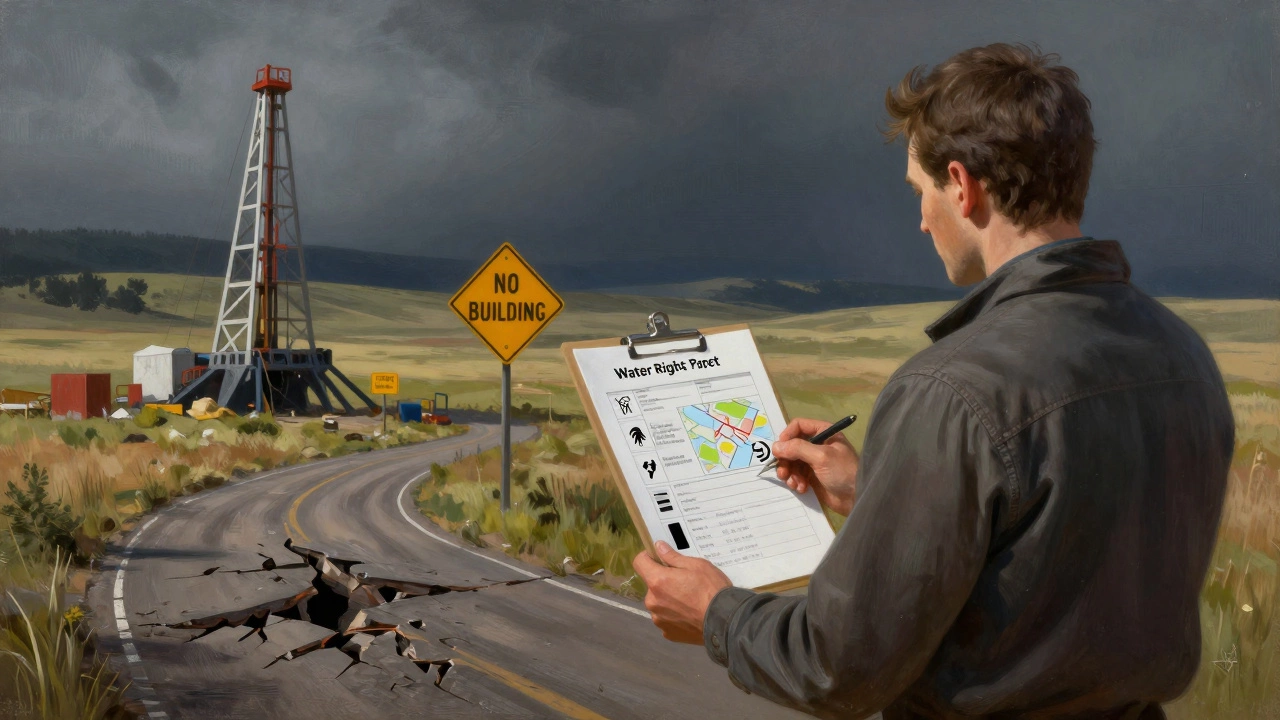
Montana is a prior appropriation state. That means water isn’t tied to the land; it’s tied to a legal permit. If the land you’re looking at doesn’t come with a water right, you can’t legally pump groundwater or divert surface water-even if there’s a creek running through it. In many parts of eastern Montana, water rights are so scarce they’re traded like stocks. A valid water right on a 10-acre parcel can be worth more than the land itself. Always ask: Is the water right appurtenant to the parcel? If the seller says, “There’s a stream,” that’s not enough. Get the water right number and check it with the Montana Department of Natural Resources and Conservation. No water right? You’re buying dirt, not property.
Access matters more than scenery
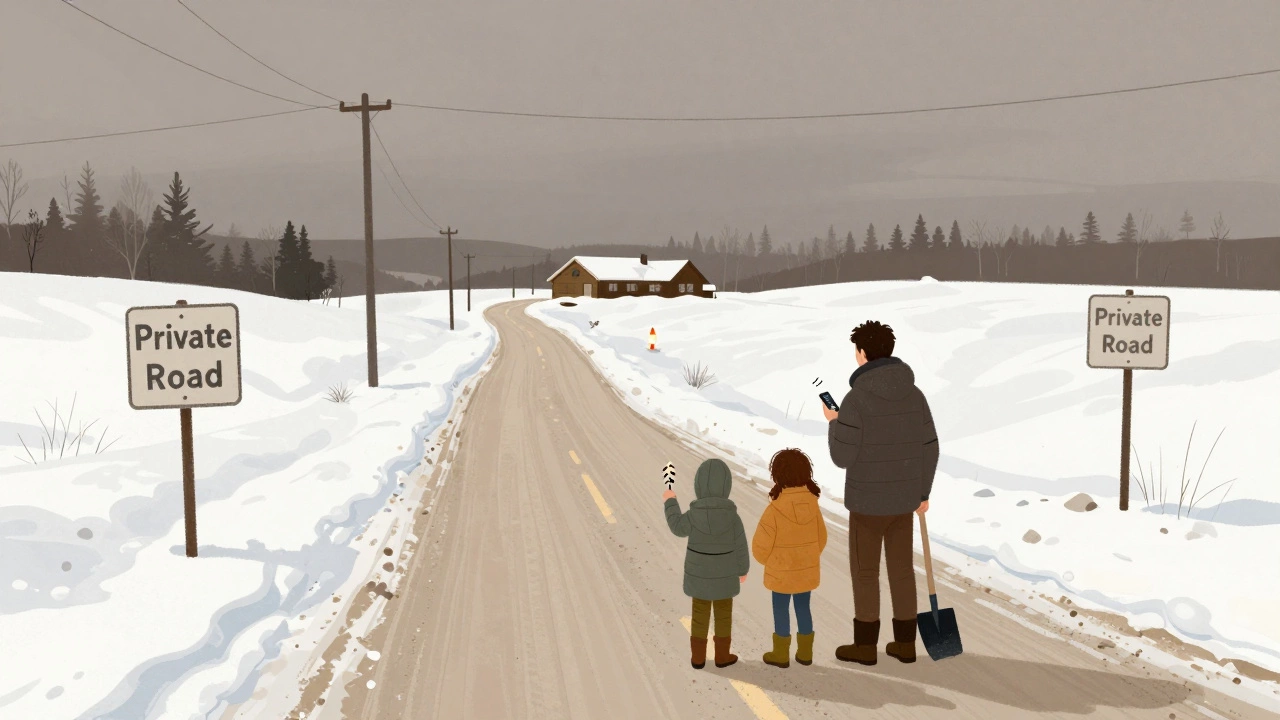
That stunning 40-acre parcel with a view of the Rockies? If you can’t get to it, it’s useless. Many Montana land listings are on private roads, easements, or unimproved dirt tracks. Some are only accessible by ATV or snowmobile in winter. In 2023, a buyer near Bozeman purchased land with “deeded access”-only to find the access road was shared with 17 other owners and wasn’t maintained. The county wouldn’t plow it. The neighbors refused to chip in. He ended up walking 2 miles in knee-deep snow just to check on his property. Always verify access legally. Get a copy of the easement or right-of-way document. Ask the county road department if the road is maintained. If they say “it’s private,” assume you’ll pay for all repairs.
Zoning rules can kill your plans
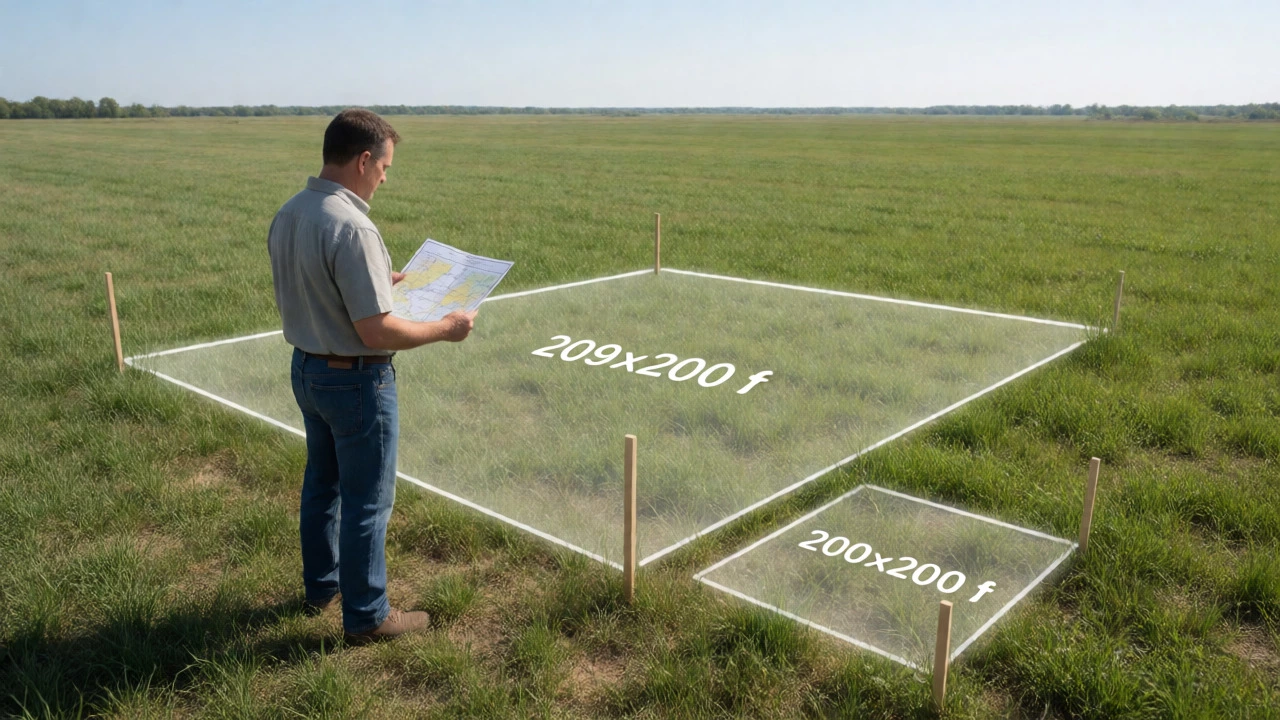
Montana doesn’t have statewide zoning, but every county does. Some counties allow tiny homes. Others require a minimum 2,000-square-foot house. Some ban mobile homes entirely. In Gallatin County, you can’t build a cabin without a full architectural plan and engineering review. In Phillips County, you can put up a trailer and live in it year-round with no permit. If you want to build a cabin, start a homestead, or run a small farm, check the county’s land use code before you buy. Don’t trust the listing agent. Go to the county planning office website and download the zoning map. Call them. Ask: “What’s allowed on a 5-acre parcel in this section?” If they hesitate, walk away.
Taxes aren’t low-they’re unpredictable
Montana has no state sales tax, which makes people think property taxes are low. They’re not. In some counties, land taxes can jump 300% after you build. That’s because Montana taxes based on use. Raw land? Maybe $100/year. Once you put in a well, septic, and a cabin? It becomes a residential property. Taxes can spike to $2,000-$5,000/year. In Flathead County, one buyer paid $120 in land taxes in 2022. After building a 1,200-square-foot cabin, his bill jumped to $4,100 in 2024. Always ask for the last three years of tax records. Ask if the parcel is in a special assessment district-those can add $500-$2,000/year for things like fire protection or road maintenance.
Isolation isn’t romantic-it’s risky
Montana has the third-lowest population density in the U.S. That means long drives to the nearest hospital, grocery store, or cell tower. In 2024, a couple bought land near Libby. They thought they were getting peace. Six months later, the wife had a heart attack. The nearest hospital was 56 miles away. The ambulance took 47 minutes. She survived, but barely. Cell service? Nonexistent in 70% of rural Montana. Satellite internet is slow and expensive. If you work remotely, test the connection before you buy. Drive there in different weather. See how long it takes to get to a town with a pharmacy. If you’re over 50, or have health issues, isolation isn’t a lifestyle-it’s a liability.
Who’s really selling this land?
Many Montana land listings come from out-of-state investors who bought in bulk during the 2020-2022 housing boom. They’re not local. They don’t care about your plans. They just want to cash out. Some parcels are being sold by companies that specialize in “land scams”-they use drone photos, fake testimonials, and exaggerated claims about “off-grid paradise.” The Montana Department of Justice has issued warnings about land sales companies that promise “no property taxes” or “build your dream home tomorrow.” Always work with a licensed Montana real estate agent who specializes in rural land. Avoid online land brokers who don’t have a local office. Ask for references from past clients who actually built on their land.
What kind of land buyer are you?
Not everyone should buy land in Montana. Here’s who it works for:
- You’re financially secure and can spend $50,000-$150,000+ on infrastructure after purchase.
- You plan to build within 2 years-land sits idle, it loses value.
- You’ve visited in winter-not just summer. See how snow, wind, and darkness affect access.
- You’ve talked to neighbors-ask if they’ve had issues with wildlife, water, or road maintenance.
- You’re okay with no cell service and slow internet.
Here’s who should skip it:
- You want a weekend cabin-the cost to maintain it will eat your vacation budget.
- You’re counting on appreciation-rural Montana land doesn’t rise fast. It’s not Colorado or Wyoming.
- You’re buying for retirement-unless you’re healthy and mobile, isolation will become a burden.
- You expect government help-there’s no subsidy for well drilling or septic systems in Montana.
Where to look-and where to avoid
Some counties are more land-buyer friendly than others:
- Phillips, Valley, and Liberty counties: Low taxes, minimal zoning, plenty of raw land. But very remote.
- Carbon and Sweet Grass counties: Better access to highways, moderate taxes, growing interest from homesteaders.
- Flathead, Missoula, and Gallatin counties: High demand, high prices, strict rules. Only for those with deep pockets and patience.
Avoid:
- Areas near national parks-restrictive building codes and environmental reviews.
- Land with “wildlife corridor” designations-you can’t build on them.
- Parcels with mineral rights sold separately-someone else can drill under your house.
Bottom line: It’s possible-but only if you’re prepared
Montana isn’t a bad place to buy land. It’s just not a place you buy on impulse. The land is beautiful. The cost seems low. But the hidden expenses, legal hurdles, and isolation are real. If you’ve done your homework-checked water rights, verified access, understood zoning, and visited in winter-you might find your perfect piece of wilderness. If you haven’t? You’re not buying land. You’re buying a problem.
Can you live off-grid legally in Montana?
Yes, but it’s not simple. Montana doesn’t ban off-grid living, but every county has rules. You need approved septic systems, water rights, and sometimes even permits for solar or wind power. Some counties require a licensed engineer to sign off on your system. Others allow composting toilets and rainwater collection without a permit. Always check with the county health department before you buy. Don’t assume it’s allowed just because someone else is doing it.
Is Montana land a good investment?
Rarely. Unlike urban or even suburban land, rural Montana parcels don’t appreciate quickly. Most sell for what they cost five years ago. The only value is personal: if you build on it and use it, it’s worth something to you. If you’re buying to flip, you’ll lose money. The market is slow, and buyers are few. Treat it as lifestyle spending, not an investment.
Do you need a real estate agent to buy land in Montana?
You don’t have to, but you should. Land transactions involve legal documents, easements, and zoning codes that most buyers don’t understand. A good agent knows which counties are land-buyer friendly and which are full of traps. They can pull water right records, verify access, and connect you with local inspectors. Avoid online land brokers who charge upfront fees. Stick to licensed Montana agents who work on commission.
Can you buy Montana land with cash only?
Yes, and it’s common. Most rural land sales are cash transactions because banks won’t lend on raw land without improvements. Lenders see it as too risky. If you’re using a loan, you’ll need to show plans for building and proof of income. Cash buyers have an advantage-they can move fast and often get better deals. But make sure you have funds set aside for infrastructure costs after purchase.
What’s the biggest mistake people make buying land in Montana?
Assuming the land is ready to use. People fall in love with the view, not the reality. They don’t check water rights, don’t test internet speed, don’t visit in winter, and skip the county zoning review. The result? A $25,000 plot of land that costs $120,000 to make livable-and still can’t be built on legally. The biggest mistake isn’t spending too much. It’s not asking enough questions before signing.