Global Villa Investment Matcher
Find your ideal villa market by matching your budget and goals with current 2026 global trends.
Region Name
Country
Reasoning details will appear here.
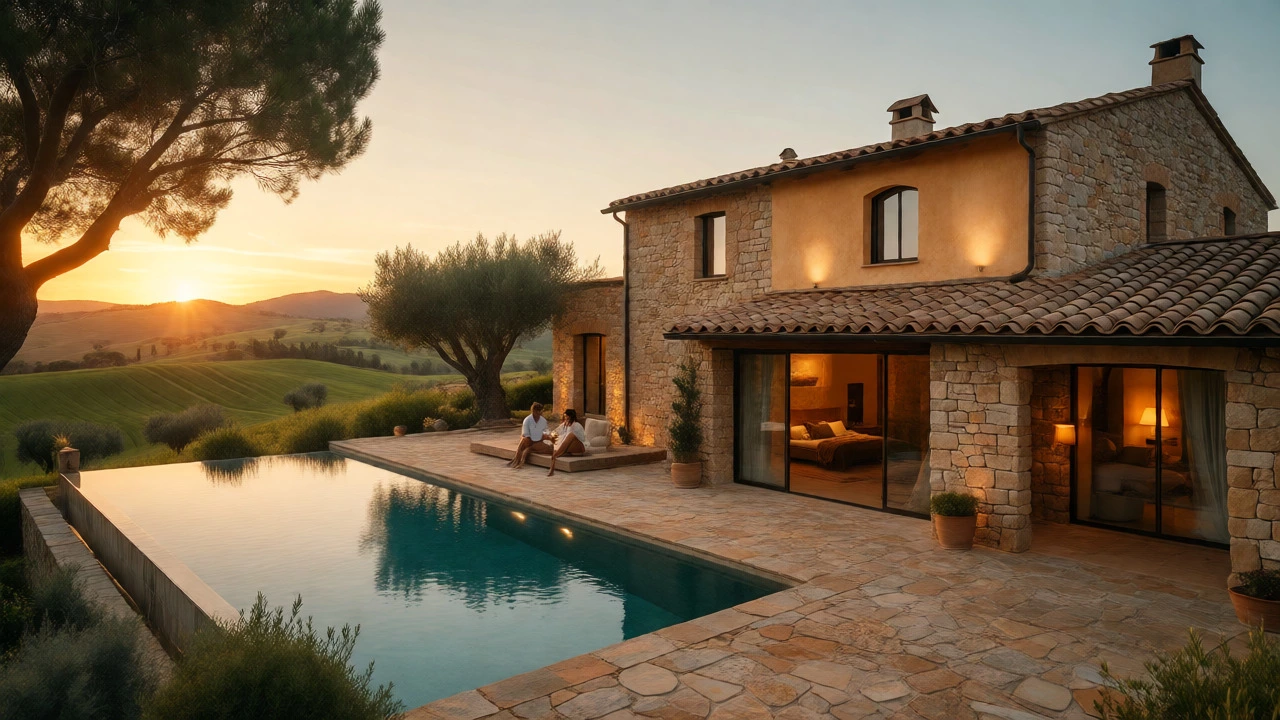
You’ve seen the photos. The infinity pool blending into the horizon, the terracotta roof tiles glowing under a relentless sun, and that specific kind of silence you only get when you’re surrounded by olive trees or ocean waves. It’s no wonder villas remain one of the most sought-after property types globally. But where exactly are people buying them? And more importantly, why are certain regions dominating the market right now?
If you’re thinking about investing in a villa, you’re likely asking two questions: Where is the demand highest, and which locations offer the best mix of lifestyle and return on investment? The answer isn’t just about pretty views anymore. It’s about tax structures, remote work flexibility, and emerging markets that haven’t been fully tapped yet.
The Mediterranean Powerhouse: Why Europe Still Leads
Let’s start with the obvious giant in the room. When we talk about Mediterranean villas, we aren’t just talking about a style; we’re talking about an economic engine. Italy, Spain, and Greece continue to hold the top spots for international villa buyers, but the reasons have shifted slightly in recent years.
In Italy, specifically Tuscany and Puglia, buyers are less interested in crumbling ruins they need to fix up themselves. They want turnkey properties. The demand has moved toward renovated stone farmhouses with modern amenities. Why? Because the "fixer-upper" dream often turns into a nightmare of bureaucracy and rising construction costs. Buyers want to move in immediately.
Spain remains a heavyweight, particularly in the Balearic Islands (Mallorca) and the Costa del Sol. However, there’s a noticeable pivot. While luxury mega-villas still sell, there’s a surge in mid-market villas catering to digital nomads who want long-term stays rather than just holiday homes. The Spanish Golden Visa changes have slowed some ultra-high-net-worth purchases, but the steady stream of European buyers from Germany, the UK, and Scandinavia keeps the market liquid.
| Region | Avg. Price per sqm | Rental Yield Potential | Buyer Profile |
|---|---|---|---|
| Mallorca, Spain | €4,500 - €8,000 | 3-5% | Luxury Lifestyle / Holiday |
| Tuscany, Italy | €3,000 - €5,500 | 2-4% | Retirement / Cultural Enthusiasts |
| Cyclades, Greece | €2,500 - €4,000 | 4-6% | Investors / Short-term Rental |
| Algarve, Portugal | €3,500 - €6,000 | 3-5% | Digital Nomads / Retirees |
The Rise of the "New Mediterranean": Croatia and Montenegro
If you feel like prices in France and Italy are getting out of hand, look east. Croatia has quietly become one of the hottest villa markets in Europe. Since joining the Eurozone, transaction friction has dropped significantly. Foreigners can buy property more easily, and the infrastructure-particularly airports in Split and Dubrovnik-has improved massively.
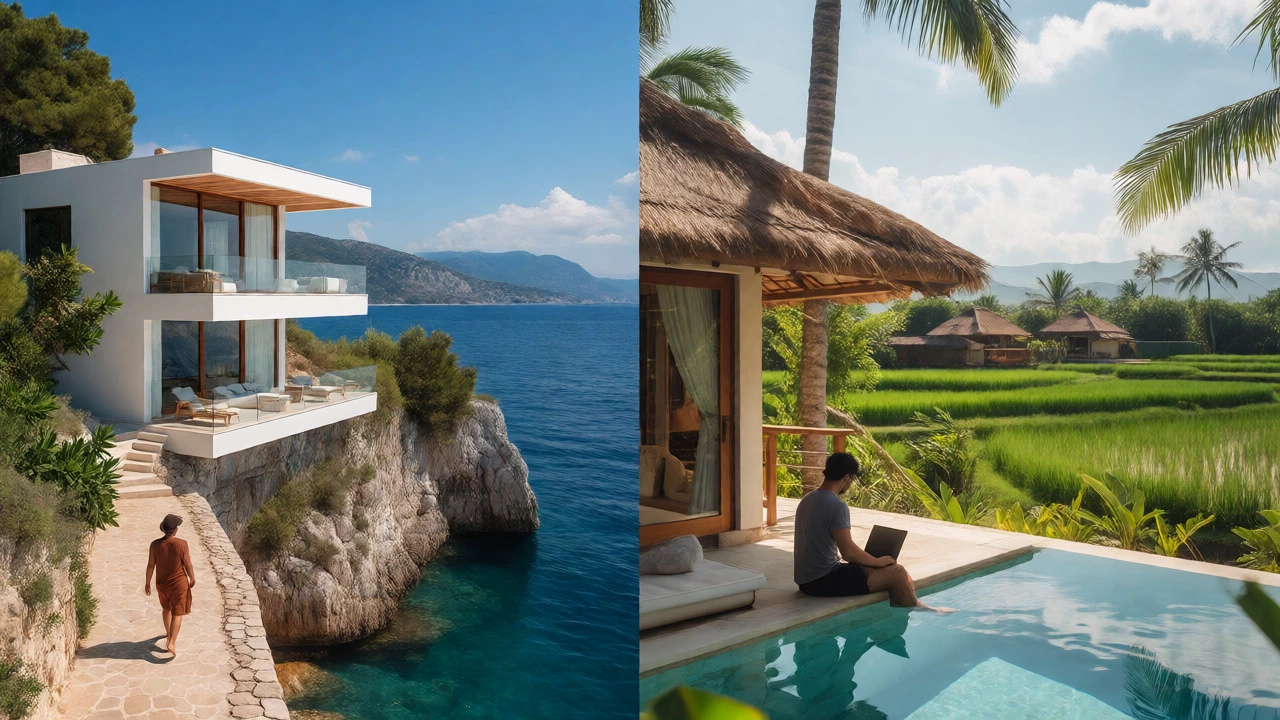
What makes Croatian villas attractive? It’s the price-to-quality ratio. You can get a sea-view villa with a private pool for what you’d pay for a modest apartment in Nice or Monaco. The architecture is distinct-often featuring local stone and slate roofs-which appeals to buyers looking for authenticity rather than generic glass boxes.
Next door, Montenegro is gaining traction. It offers similar coastal beauty at even lower entry points. While the rental market is less mature than Croatia’s, the potential for capital appreciation is higher because the market is still developing. If you’re patient, this could be the next big play.
Asia’s Luxury Shift: Bali and Beyond
Move away from Europe, and you’ll find massive growth in Asia. Bali remains the undisputed king of Asian villa investments. But the vibe has changed. Post-pandemic, Bali isn’t just for backpackers or honeymooners. It’s a hub for tech entrepreneurs and creative professionals.
The popularity here is driven by the leasehold structure, which allows foreigners to own villas for 25-75 years without the complexities of freehold ownership restrictions found in other countries. Areas like Canggu and Uluwatu are saturated, so savvy investors are looking at North Bali and Tabanan. These areas offer larger plots and quieter surroundings, appealing to families seeking long-term residency.
Thailand also sees strong villa activity, particularly in Phuket and Koh Samui. However, the legal structure requires careful navigation. Using Thai companies or long-term leases is standard practice. Despite the legal hurdles, the rental yields in high-season months can offset the risks if managed correctly.
The Americas: Florida’s Boom and Mexico’s Charm
Across the Atlantic, the United States presents a different picture. Florida is experiencing a sustained boom in luxury waterfront villas. This isn’t just snowbirds anymore. Tech workers relocating from California and New York are driving demand for single-family homes with large yards and home offices. The lack of state income tax is a huge draw for high earners.
However, insurance costs in Florida have skyrocketed due to hurricane risks. Smart buyers factor this into their total cost of ownership. A $2 million villa might come with $15,000+ annual insurance premiums. That’s a critical detail many overlook until closing day.
To the south, Mexico continues to attract American and Canadian buyers. Tulum and Puerto Vallarta are popular, but inland areas near Lake Chapala or San Miguel de Allende offer villa-style living at a fraction of the coastal price. These towns offer culture, healthcare access, and community, which matters more as buyers age.
Australia’s Coastal Retreats: The Sydney Perspective
Living here in Sydney, I see a unique trend. Australian buyers are increasingly looking overseas, but domestic villa-style properties are also surging in popularity. In Australia, we don’t always use the word "villa." We call them acreages, rural retreats, or simply large detached homes with land.
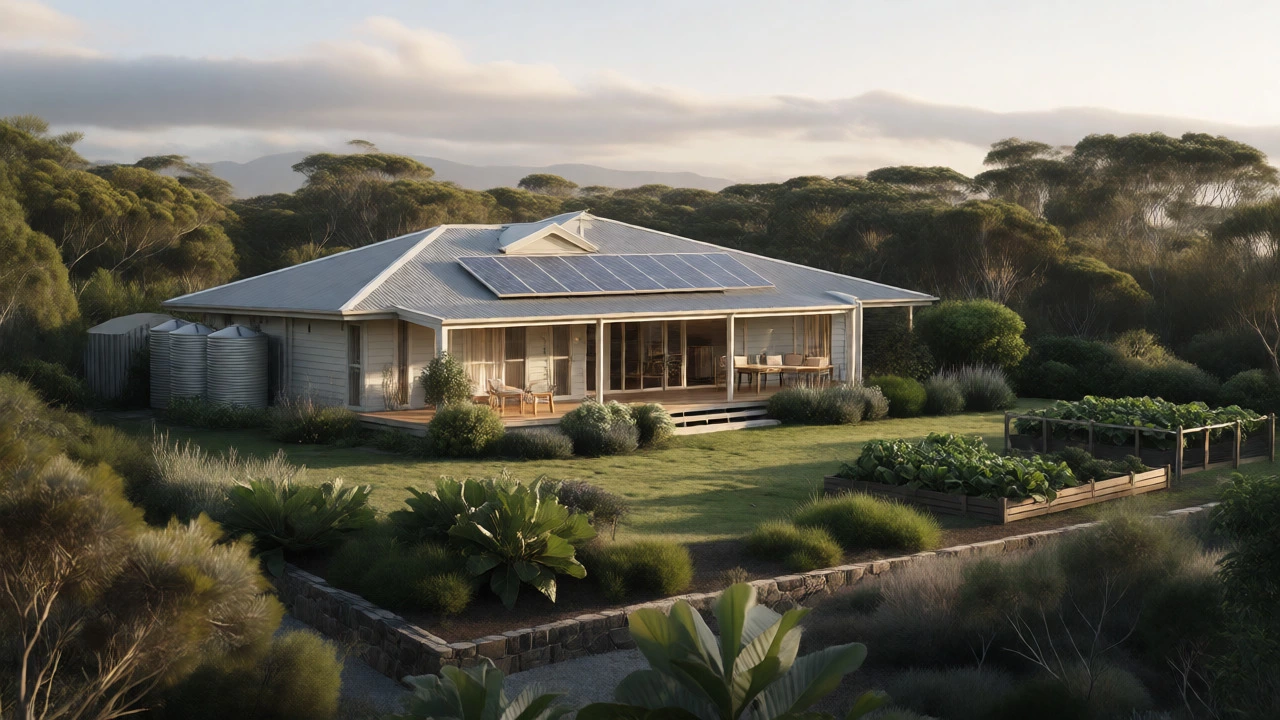
Regions like the Mornington Peninsula in Victoria and the Sunshine Coast in Queensland are hotspots. Why? Climate resilience. As weather patterns shift, buyers are moving away from flood-prone zones and bushfire corridors. Properties with established landscaping and good water security command a premium. The desire for self-sufficiency-solar power, rainwater harvesting, vegetable gardens-is driving the design of new builds. People want a fortress against uncertainty, not just a holiday pad.
What Drives Villa Popularity Today?
It’s easy to assume popularity is driven solely by tourism stats. But deeper factors are at play:
- Remote Work Flexibility: The ability to work from anywhere means location is no longer tied to office proximity. This unlocks rural and island markets previously considered too isolated.
- Health and Wellness: Post-pandemic, buyers prioritize outdoor space, air quality, and privacy. Shared walls in apartments feel risky; standalone villas feel safe.
- Short-Term Rental Regulations: Cities cracking down on Airbnb push investors toward suburban or rural villas where regulations are looser or nonexistent.
- Climate Migration: Buyers are actively avoiding areas with extreme heat projections or high flood risk. This shifts demand to milder climates like Tasmania, Southern France, or Northern Portugal.
How to Choose Your Market
Don’t just follow the hype. Match the location to your goal.
Are you looking for cash flow? Look at Greece or Bali, where short-term rental yields are robust. Want capital appreciation? Emerging markets like Montenegro or parts of Southeast Asia might offer higher growth potential, though with more risk. Seeking a retirement haven? Portugal or Malaysia offer favorable visa programs and low cost of living.
Also, consider the exit strategy. How easy is it to sell? Liquidity varies wildly. Selling a villa in Mallorca takes weeks. Selling a niche eco-villa in rural Laos might take years. Always assess the local buyer pool before you buy.
Frequently Asked Questions
Which country has the cheapest villas for sale?
Countries like Albania, Bulgaria, and parts of Indonesia (outside tourist hubs) currently offer the lowest entry prices for villa-style properties. Albania, in particular, has seen significant development along its coast, offering sea-view homes at a fraction of Western European prices, though infrastructure and resale liquidity are still maturing.
Is buying a villa in Bali worth it for investment?
Yes, if you understand the leasehold system. Foreigners typically acquire rights through a Hak Pakai (Right to Use) title or via a PT PMA (foreign-owned company). Rental yields in prime areas like Canggu can reach 8-10% gross, but management fees and maintenance costs are high. Success depends heavily on professional property management.
Why are villas becoming more popular than apartments?
The shift is driven by a desire for privacy, outdoor space, and control over the living environment. The pandemic accelerated this trend, making home offices and gyms essential. Additionally, strict urban planning laws in many cities limit new apartment supply, while villa plots in suburban or rural areas remain available.
Do I need a visa to buy a villa abroad?
Not necessarily to buy, but yes to stay long-term. Many countries allow foreign ownership without residency status. However, staying beyond 90 days usually requires a specific visa. Countries like Portugal, Spain, and Thailand offer golden visas or retirement visas linked to property purchase, simplifying the process for long-term owners.
What are the hidden costs of owning a villa?
Beyond the purchase price, expect to budget for property taxes, HOA fees (if in a gated community), insurance (especially in hurricane or fire zones), maintenance (pools, gardens, roofs), and property management fees if renting out. In some countries, these recurring costs can amount to 1-2% of the property value annually.