
Rent vs. Buy Financial Calculator
Enter your details below to see which option is financially superior based on current market assumptions.
Financial Winner
Buying Wins5-Year Cost Breakdown
| Expense Category | Renter | Buyer |
|---|---|---|
| Total Net Cost* |
You have probably heard it from your parents, your boss, or that one friend who just bought their third apartment: "Stop throwing money away on rent." It is a phrase designed to trigger anxiety. It suggests that every dollar you pay to a landlord vanishes into thin air, while the homeowner next door is quietly building wealth with every mortgage payment they make. But is that actually true? Or is it a financial myth that keeps people locked into debt they do not need?
Here is the reality check: Renting is not necessarily throwing money away. In fact, for many people in Sydney and across Australia, renting provides flexibility and cash flow advantages that owning simply cannot match. The idea that rent is "wasted" ignores the massive upfront and ongoing costs of homeownership. If you treat housing as an investment vehicle without calculating the true cost of capital, you might find that buying is actually costing you more than renting.
The Myth of "Wasted" Rent
Let’s break down why we feel bad about paying rent. When you pay $800 a week for an apartment, you get nothing tangible at the end of the year except a place to sleep. You do not own the bricks. You do not build equity. It feels like a subscription service with no final product. On the other hand, when you pay a mortgage, part of that payment goes toward reducing your loan balance (principal) and part goes to interest. Over time, that principal portion grows, and you theoretically own more of your home.
But here is the catch that most first-time buyers miss: Mortgage Interest is also thrown away. In the early years of a typical Australian mortgage, the vast majority of your monthly payment goes to the bank as interest, not to your equity. If you take out a $700,000 loan at 6% interest, your first-year interest payments alone could exceed $40,000. That is money gone forever, just like rent. The difference is that with a mortgage, you also have to cover maintenance, insurance, council rates, and strata fees-costs a landlord usually absorbs.
| Cost Category | Renter Responsibility | Homeowner Responsibility |
|---|---|---|
| Housing Payment | Full rent amount | Mortgage Principal + Interest |
| Maintenance & Repairs | None (Landlord pays) | 1-4% of property value annually |
| Insurance | Contents only (~$30/month) | Building + Contents + Landlord Insurance |
| Council Rates/Water | Usually included in rent | Paid directly by owner ($2k-$4k/year) |
| Opportunity Cost | Low upfront deposit | High deposit tied up in asset |
Opportunity Cost: The Silent Killer
This is where the math gets interesting. Let’s say you are deciding between renting a nice inner-city apartment for $650 a week or buying a similar unit for $800,000. To buy, you need a 20% deposit ($160,000) plus stamp duty and legal fees. That is roughly $190,000 of your savings locked up in concrete and land.
If you rent instead, you keep that $190,000 liquid. You can invest it in the stock market, index funds, or high-interest savings accounts. Historically, the S&P/ASX 200 has returned around 7-10% annually over long periods. If you earn 8% on your $190,000, that is $15,200 a year in returns. Now, compare that to the extra costs of owning: higher interest payments, maintenance, and lack of liquidity. Often, the investment returns from keeping your cash free actually offset the "equity" you would have built by buying.
Think about it this way: If house prices stay flat for five years, the buyer loses money due to transaction costs and interest. The renter, however, has been investing their surplus cash. If the market dips, the buyer is stuck with negative equity or illiquid assets. The renter can choose to buy later at a lower price or keep investing. Flexibility has real monetary value.
When Buying Actually Makes Sense
So, should you never buy? No. Buying makes sense when specific conditions align. First, stability matters. If you plan to stay in the same location for at least seven to ten years, the high upfront costs of buying (stamp duty, agent commissions) get amortized over a longer period. This reduces the annual "cost" of those fees significantly.
Second, leverage works both ways, but it amplifies gains. If property values rise by 5% in a year, and you only put down 20%, your return on equity is actually 25%. That is powerful. In Sydney, where land scarcity drives long-term appreciation, holding property can be a strong hedge against inflation. If you believe property prices will consistently outpace inflation and general wage growth, buying becomes attractive despite the high interest rates seen in 2024-2026.
Third, psychological factors play a role. A fixed-rate mortgage acts as a forced savings mechanism. Many renters struggle to save the equivalent of their rent payment each month. They spend it on lifestyle upgrades. A mortgage forces discipline. If you know you won’t invest the difference between rent and mortgage, then buying might help you build net worth simply because you have no choice.
The Renter’s Advantage: Mobility and Cash Flow
Renting offers something money can’t easily buy: agility. In today’s job market, career changes often require moving cities or suburbs. Selling a house takes months. It involves listing agents, open homes, negotiations, and settlement delays. During that time, you might be paying two mortgages or facing rental gaps. Breaking a lease takes weeks. You can move closer to a new job, a better school district, or a cheaper area with minimal friction.
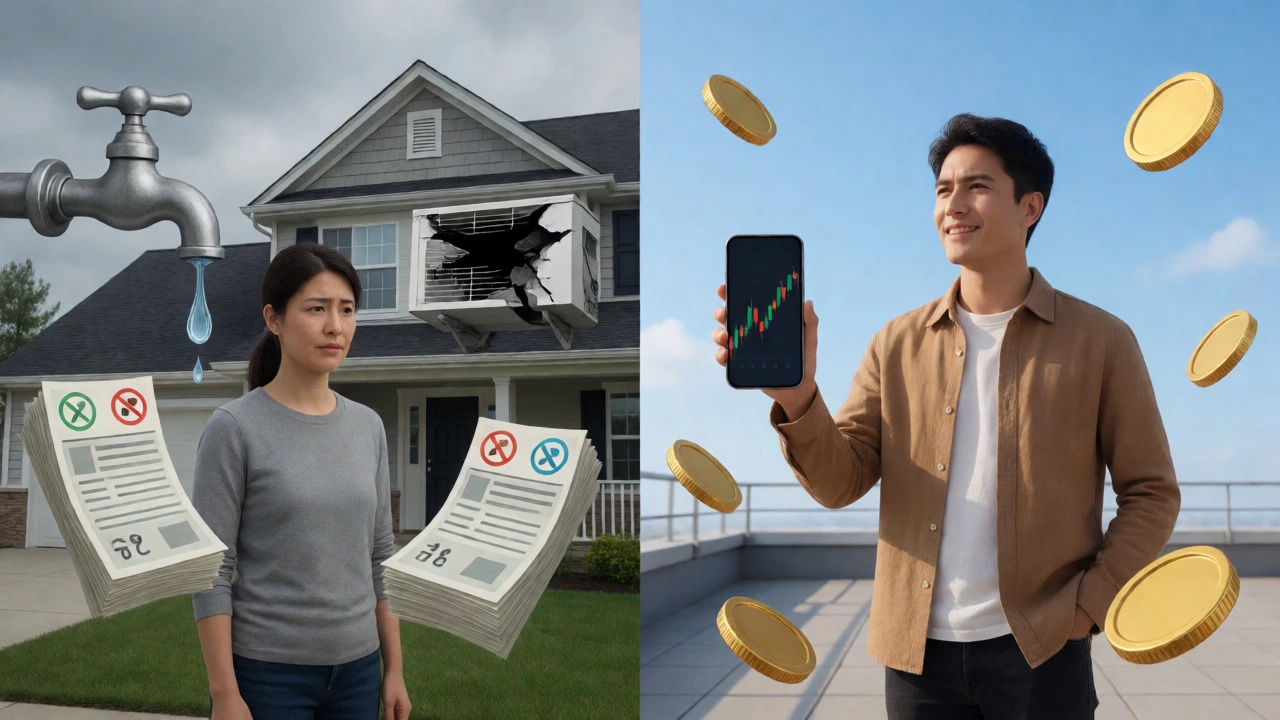
Moreover, renters have predictable costs. Your rent is fixed for 12 months. You don’t get surprise bills for a burst pipe, a broken air conditioner, or a leaking roof. For young professionals or families with variable incomes, this predictability helps with budgeting. You know exactly what leaves your bank account each month. Homeowners face variable rates and unexpected repair bills that can blow out budgets overnight.
How to Decide: A Simple Framework
Don’t rely on gut feeling. Use this checklist to decide if buying is right for you right now:
- The 5-Year Rule: Will you live in this specific property for at least 5 years? If no, rent. Transaction costs eat your profits.
- The Opportunity Cost Test: Can you realistically invest the difference between your current rent and the estimated mortgage payment? If yes, renting might win financially.
- The Emergency Fund Check: Do you have 6 months of expenses saved after paying the deposit and closing costs? If no, wait. Don’t become "house poor."
- The Market Timing Reality: Are you trying to time the bottom? Stop. Time in the market beats timing the market. If you want to buy, ensure you can hold through a downturn.
- Lifestyle Fit: Do you enjoy maintaining a garden, fixing things, and managing tenants (if you ever rent out)? Or do you prefer travel and low-commitment living? Be honest.
Remember, Property Investment is different from buying a primary residence. Investors look for yield and capital growth. Homeowners often prioritize security and community. Mixing these goals leads to bad decisions. Buy for lifestyle if you can afford it; invest for profit if you have the capital.
Common Pitfalls to Avoid
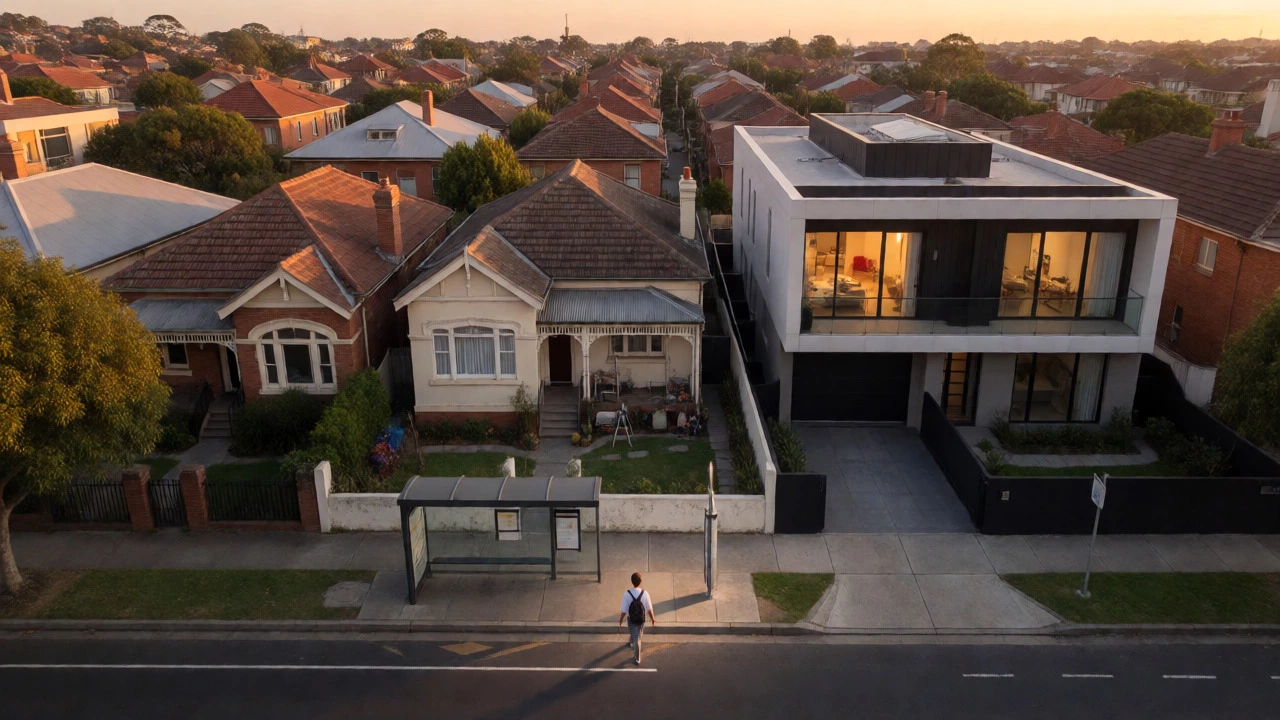
One major mistake is assuming all property appreciates equally. Not all suburbs grow. Some stagnate for decades. Buying in a declining area means you pay high interest and maintenance while your asset loses value. Research local zoning laws, infrastructure projects, and demographic trends before signing.
Another trap is ignoring the "opportunity cost" of your time. Managing a property, dealing with banks, and handling repairs takes hours. If you value your leisure time highly, factor that in. Paying a property manager costs 8-10% of rent, which eats into returns.
Finally, don’t ignore tax implications. In Australia, negative gearing can provide tax benefits, but only if you have sufficient taxable income to offset losses. If you’re a first-home buyer, grants and concessions vary by state. Check NSW-specific rules for 2026, as thresholds change frequently.
Frequently Asked Questions
Is it always better to buy than to rent?
No, it is not always better. Buying is better if you plan to stay in the property for at least 7-10 years, have stable income, and can handle unexpected maintenance costs. Renting is often financially superior if you value flexibility, can invest your savings elsewhere with higher returns, or if you are unsure about your long-term location needs.
What is the biggest hidden cost of buying a home?
The biggest hidden costs are often non-mortgage expenses: stamp duty (which can be tens of thousands of dollars), ongoing maintenance (budget 1-2% of the property value annually), strata fees for apartments, and council rates. Additionally, the opportunity cost of tying up your deposit in an illiquid asset is significant if you could have earned higher returns in the share market.
Does rent really go towards the landlord's mortgage?
Not necessarily. While some landlords use rent to cover their mortgage, many own properties outright or have positive cash flow where rent exceeds all costs. Even if it does go to their mortgage, that doesn't mean your rent is "wasted." You are paying for the service of shelter, location, and flexibility. The landlord takes on the risk of vacancy, maintenance, and market fluctuations.
How much should I save before buying a house in Sydney?
In Sydney, you typically need at least a 20% deposit to avoid Lenders Mortgage Insurance (LMI). For a median-priced home, this could mean saving $150,000 to $200,000+. Plus, you need additional funds for stamp duty, legal fees, and moving costs. Always aim to have 6 months of emergency savings left over after the purchase.
Is renting a waste of money if house prices are rising?
If house prices are rising faster than rents, renting can feel like missing out on wealth creation. However, if you are disciplined, you can invest the money you save on deposit and maintenance into other assets that may appreciate similarly. Rising prices benefit owners, but only if they actually sell or refinance. Paper gains don't pay the bills until realized.