Rental Yield & Cash Flow Calculator
Investment Parameters
Annual Return on Investment
Enter property details or select a preset to see your potential returns.
Most people think buying a big house means making more money. They’re wrong. If you want the highest rental income relative to what you spend, size isn’t the answer. Strategy is. In 2026, with interest rates stabilizing but living costs still high, tenants are looking for value, convenience, and low maintenance. That changes which properties actually print cash.
The question isn’t just "what rents for the most?" It’s "what gives the best return on your dollar?" A luxury penthouse might pull $5,000 a week, but if it cost $3 million and sits empty half the year, it’s a liability. A modest studio near a transport hub might only pull $800 a week, but with lower purchase price, higher occupancy, and cheaper upkeep, it often wins on net yield. Let’s break down which housing types actually work right now.
Understanding Rental Yield vs. Gross Rent
Before picking a property type, you need to separate two numbers that get confused all the time. Gross rent is the weekly or monthly amount a tenant pays. Net rental yield is what you keep after expenses, divided by the property value. This is the number that matters for investors.
Here’s how it works:
- Gross Rent: $1,000/week from a tenant.
- Expenses: Council rates, water, insurance, management fees, repairs, vacancy periods. Say these total $200/week.
- Net Income: $800/week.
- Property Value: $600,000.
- Annual Net Yield: ($800 × 52) ÷ $600,000 = 6.9%.
A property pulling $1,500/week sounds better than one at $1,000/week. But if the expensive one has higher strata fees, more frequent repairs, and longer vacancies, its net yield could be lower. Always calculate net yield, not just the headline rent figure.
High-Yield Property Types in Urban Markets
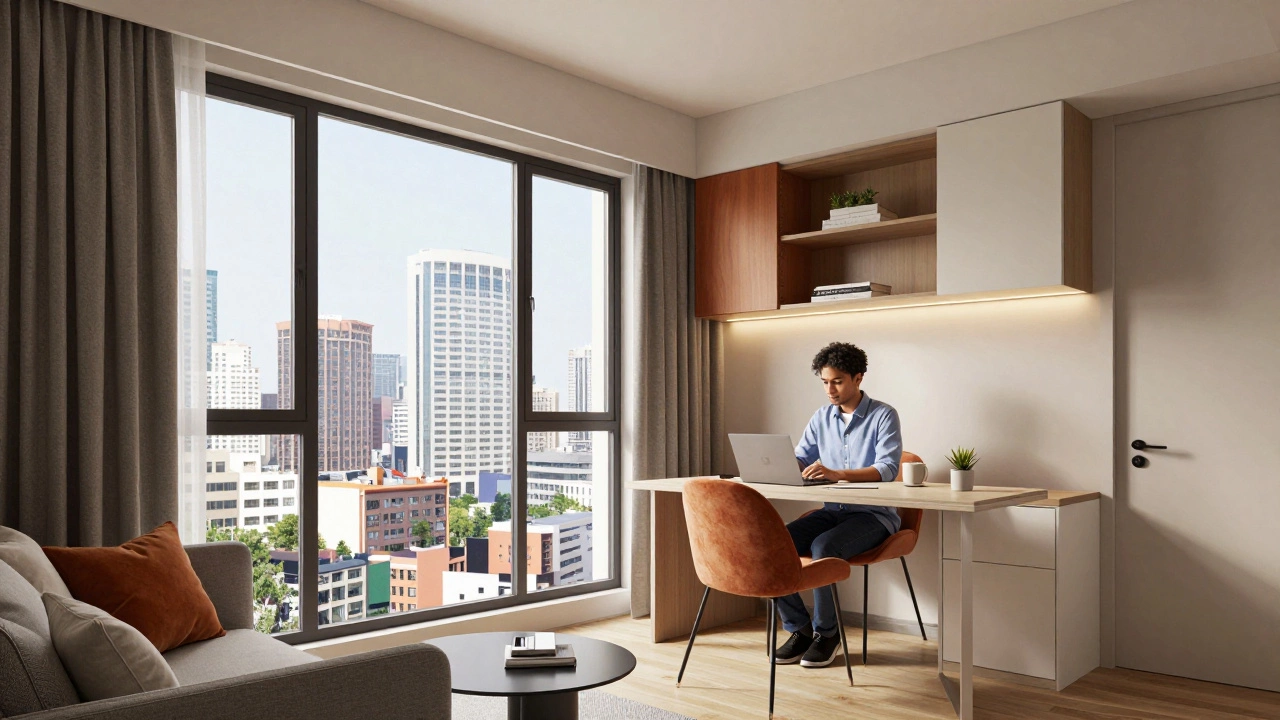
In cities like Sydney, Melbourne, or London, studios near universities or transit hubs can achieve yields of 7-9%. Tenants don’t care about a backyard when they’re working late and want to walk home. The trade-off? Higher turnover. Students leave every few years. You’ll spend more on marketing and cleaning between leases.
The key here is proximity. A one-bedroom within walking distance of a train station or major employer will outperform a larger unit further out. Tenants pay a premium for saved commute time.
Multi-Unit Properties: Duplexes and Triplexes
If you want scale without managing ten different addresses, look at multi-unit buildings. A duplex (two separate homes on one title) or triplex (three units) lets you diversify risk. If one tenant leaves, the other two still pay rent. Vacancy hits harder on single homes.
These properties often have lower per-unit construction and land costs compared to standalone houses. In suburban growth corridors, duplexes can yield 6-7.5%, especially if designed with separate entrances and utilities. The downside? Stricter zoning laws. Not every neighborhood allows multi-unit developments, and council approvals can take months.
Also, maintenance compounds. Two roofs leak twice as often. Two kitchens mean double the appliance replacements. Budget accordingly.
Student Housing and Purpose-Built Rentals
Purpose-built student accommodation (PBSA) operates differently. Leases are often tied to academic terms, not calendar years. Rents are charged per room, not per unit. A four-bedroom house rented to four students generates four income streams from one mortgage. Yields can hit 8-10% in university towns.
But this model requires active management. Turnover is annual. Noise complaints, party damage, and strict compliance rules (like fire safety standards for multi-occupancy) add complexity. It’s not a passive investment.

Suburban Houses: Lower Yield, Higher Stability
Traditional family homes in suburbs usually offer lower yields-often 4-6%-but come with perks. Longer tenancies. Families stay for years. Less turnover means fewer advertising costs and less wear-and-tear. These properties also appreciate faster in capital growth markets.
If your goal is wealth building through equity rather than immediate cash flow, suburban houses make sense. But if you’re relying on rental income to cover the mortgage, you’ll struggle. Interest payments alone often eat up 60-70% of the rent collected.
Commercial-Residential Hybrids
In some zones, you can mix uses. Ground-floor retail with apartments above, or live-work units where the owner lives upstairs and rents out a workshop below. These can boost income significantly. Retail tenants often sign longer leases (3-5 years) and pay higher base rents.
However, commercial tenants require different legal agreements, higher insurance, and sometimes fit-out contributions. The barrier to entry is higher, but so is the reward. Look for mixed-use zones in emerging neighborhoods where foot traffic is growing.
Factors That Boost Rental Income Beyond Property Type
The building type is only half the equation. How you position the property matters just as much.
- Location Precision: Being “near” a station isn’t enough. Within 500 meters? That’s prime. Tenants will pay 10-15% more for walkability.
- Amenities Package: Air conditioning, dishwasher, secure parking, and high-speed internet access are no longer luxuries. They’re expectations. Missing one can delay leasing by weeks.
- Curb Appeal & Photos: Professional photos increase inquiry rates by up to 30%. First impressions are digital now.
- Flexible Lease Terms: Offering month-to-month options for short-term workers or corporate renters can reduce vacancy gaps.
Comparison Table: Rental Yield by Property Type
| Property Type | Avg. Weekly Rent (AUD) | Avg. Purchase Price (AUD) | Est. Net Yield (%) | Turnover Rate | Maintenance Level |
|---|---|---|---|---|---|
| Studio Apartment | $650 - $850 | $450,000 - $600,000 | 7.0 - 9.0% | High | Low |
| 1-Bedroom Apartment | $800 - $1,100 | $550,000 - $750,000 | 6.0 - 8.0% | Medium | Low-Medium |
| Duplex/Triplex Unit | $700 - $950 | $500,000 - $700,000 | 6.5 - 7.5% | Medium | Medium |
| Student Room (PBSA) | $350 - $500/room | $400,000 - $600,000 (whole building) | 8.0 - 10.0% | Very High | High |
| Suburban Family Home | $1,200 - $1,800 | $800,000 - $1,200,000 | 4.0 - 6.0% | Low | Medium-High |
| Mixed-Use (Retail+Resi) | $1,500+ (combined) | $900,000 - $1,500,000 | 5.5 - 7.0% | Low | Variable |
Note: Figures are approximate averages based on major Australian metropolitan markets in 2026. Actual results vary by suburb, condition, and management quality.
Risks to Watch Out For
High yield doesn’t mean safe. Here’s what can wipe out your profits:
- Vacancy Chains: One tenant leaves, you spend $1,500 on painting and ads, then wait six weeks. That’s nearly $4,000 lost in a year.
- Strata Surprises: Older apartment blocks may face special levies for roof repairs or elevator upgrades. Always review the strata roll before buying.
- Tenant Damage: Cheap furniture breaks fast. Use durable materials. Laminate floors beat carpet. Stainless steel appliances last longer than white enamel.
- Regulatory Shifts: Rent caps, stricter inspection rules, or changes to negative gearing laws can alter returns overnight. Stay informed.
How to Choose Based on Your Goals
Your ideal property depends on what you’re optimizing for:
- Maximize Cash Flow: Go for studios or student rooms in high-demand zones. Accept higher turnover.
- Minimize Management: Pick a solid suburban house with long-term family tenants. Lower yield, less stress.
- Balance Growth + Income: Target new-build apartments in developing precincts. Capital appreciation plus decent yield.
- Scale Quickly: Invest in duplexes or small multi-unit buildings. Diversify risk across multiple tenants.
There’s no single “best” property. There’s only the best fit for your risk tolerance, budget, and involvement level.
What property type has the highest rental yield?
Purpose-built student accommodation and studio apartments typically offer the highest net rental yields, ranging from 7% to 10%. This is due to their lower purchase prices, high demand in urban and university areas, and ability to generate multiple income streams (in the case of PBSA). However, they come with higher turnover and management intensity.
Is it better to buy a house or an apartment for rental income?
It depends on your goals. Apartments generally offer higher rental yields because they’re cheaper to buy and maintain, especially in city centers. Houses offer lower yields but greater capital growth potential and longer tenancies. If you want steady cash flow, choose apartments. If you want wealth accumulation over time, consider houses.
How do I calculate net rental yield?
Subtract all annual expenses (rates, insurance, management fees, repairs, vacancy allowance) from annual gross rent. Divide the result by the property’s purchase price, then multiply by 100. Example: ($52,000 gross rent - $10,000 expenses) ÷ $600,000 = 7% net yield.
Are duplexes good for rental income?
Yes, duplexes are excellent for balancing yield and risk. They allow two separate income streams from one loan, reducing the impact of vacancy. Yields typically range from 6.5% to 7.5%. The main challenges are zoning restrictions and higher maintenance costs due to two separate units.
What increases rental income besides property type?
Key factors include precise location (within walking distance of transport), essential amenities (air conditioning, parking, internet-ready wiring), professional presentation (photos, staging), and flexible lease terms. Small upgrades like smart locks or energy-efficient appliances can also justify higher rents and attract better tenants.