60-Second Commercial Script Builder
Use this timeline to practice pacing your script. Click "Play" to see how fast 60 seconds really goes.
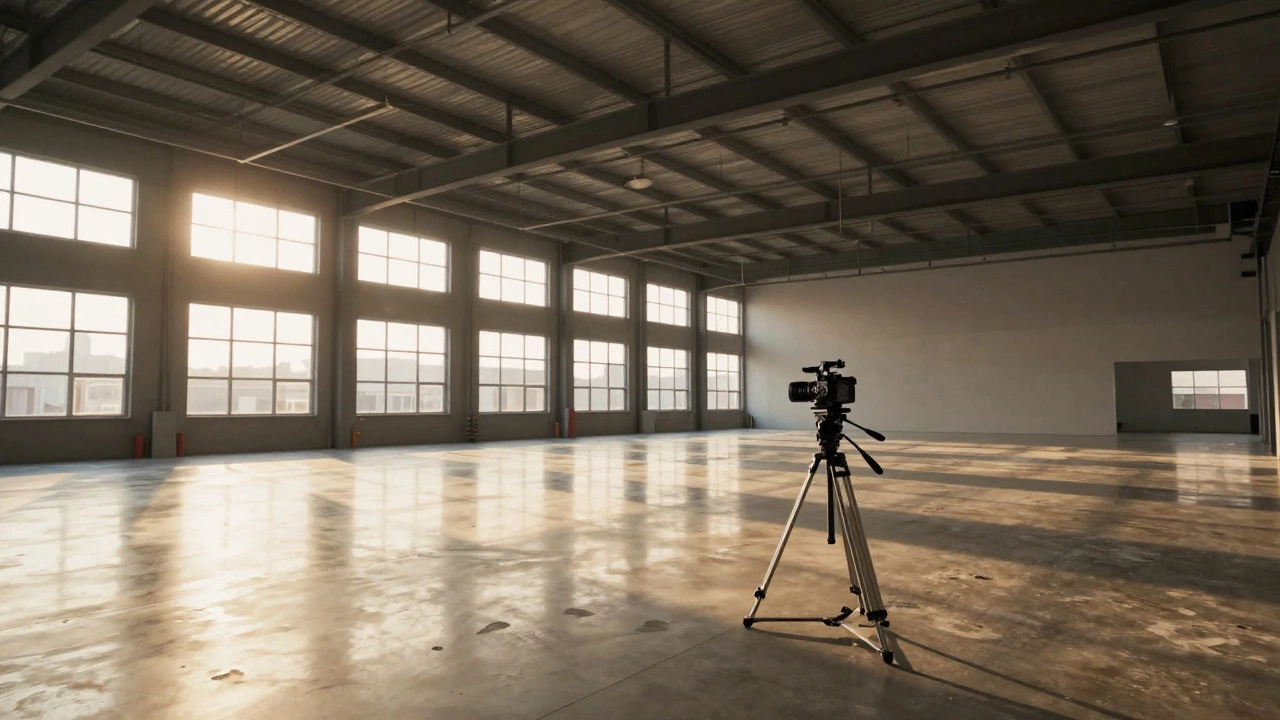
You have a warehouse in the industrial district or a prime retail space in the city center. You know it’s valuable. But listing photos on a portal just aren’t cutting it anymore. Buyers are scrolling past your static images before they even read the description. This is where a 60-second commercial becomes your most powerful asset.
If you’re wondering what exactly this format entails and why it matters for selling high-value assets, you’re not alone. In the world of commercial real estate marketing, time is money-literally. You have one minute to convince an investor, a business owner, or a developer that your property is worth millions. Let’s break down how to make every second count.
The Anatomy of a High-Converting 60-Second Ad
A 60-second spot isn’t just a long Instagram Reel or a TikTok dance. It’s a tightly scripted narrative designed to trigger a specific action: booking a viewing or calling your agent. Think of it as a mini-documentary about potential profit.
Here is the standard structure that works for property sales videos:
- Seconds 0-5 (The Hook): Show the best angle immediately. Don’t start with a logo. Start with the view, the foot traffic, or the machinery running. You need to stop the scroll.
- Seconds 5-20 (The Problem/Opportunity): State the market context. “Retail spaces in Sydney CBD are at a 10-year low vacancy rate.” This creates urgency.
- Seconds 20-40 (The Solution/Property): Showcase the asset. Walk through the floor plan. Highlight unique features like loading docks, ceiling height, or recent renovations. Use text overlays for key stats (e.g., “3,000 sq ft,” “Zoned B4”).
- Seconds 40-50 (Social Proof/Authority): Briefly mention why this location wins. Proximity to transport hubs, demographic data, or comparable sale prices.
Tell them exactly what to do. “Scan to download the brochure” or “Call Rohan for exclusive access.”
Notice how each section serves a distinct psychological purpose. You aren’t just showing bricks and mortar; you’re selling a business opportunity.
Why Video Beats Static Listings in Commercial Real Estate
Imagine trying to sell a complex piece of machinery using only a spreadsheet. It doesn’t work. Similarly, commercial properties have nuances that photos miss. The flow of a factory floor, the natural light in an office atrium, or the noise levels outside a restaurant site-these are sensory details that build trust.
According to recent trends in digital real estate marketing, listings with video receive up to 400% more inquiries than those without. For high-ticket items like commercial leases or sales, the decision-making process is longer and involves multiple stakeholders. A well-produced video allows the primary buyer to share a clear vision with their partners or investors.
Furthermore, algorithms on platforms like LinkedIn, Facebook, and YouTube favor video content. When you upload a 60-second clip, you’re playing by the platform’s rules, not fighting against them. This means your property gets seen by people who aren’t actively searching right now but might be influenced later.
Production Tips: Professional vs. DIY
You don’t necessarily need a Hollywood budget, but you do need clarity. Grainy, shaky footage shot on a smartphone can hurt your credibility more than help it. Here is how to approach production:
| Feature | Professional Drone/Cinematic | High-Quality Smartphone |
|---|---|---|
| Cost | $1,500 - $5,000+ | $0 - $200 (Stabilizer/Gimbal) |
| Visual Impact | High (Aerial views, slow-mo) | Moderate (Ground level only) |
| Best For | Large sites, warehouses, landmarks | Small offices, retail units, quick updates |
| Perception | Premium, established brand | Agile, accessible, modern |
If you are shooting yourself, invest in a gimbal stabilizer. Shaky hands look amateurish. Ensure your audio is crisp-if you are narrating, use a lapel mic. Wind noise from an open window can ruin a professional voiceover. Lighting is also crucial; shoot during the “golden hour” (early morning or late afternoon) to make interiors look warm and inviting.
Targeting the Right Audience with Paid Media
Creating the video is only half the battle. You need to put it in front of the right eyes. A 60-second commercial is expensive if shown to teenagers looking for apartments. You need precision targeting.
On LinkedIn Ads, you can target by job title (e.g., “Facility Manager,” “CEO”), industry (e.g., “Logistics,” “Healthcare”), and company size. This is ideal for B2B commercial sales. On Facebook and Instagram, you can target by interests such as “Real estate investing,” “Small business ownership,” or geographic locations near your property.
Consider retargeting. Most people won’t buy after seeing one ad. Set up a pixel to track users who watched 50% of your video. Serve them a follow-up ad with a different angle or a testimonial from a previous tenant. This builds familiarity and trust over time.
Common Mistakes to Avoid
Even great properties can fail in video format if you make these common errors:
- Talking Too Much: People watch videos with the sound off initially. Use bold captions for all spoken words. If you rely solely on audio, you lose 80% of your audience.
- Hiding the Flaws: Don’t try to trick buyers. If there is minor wear and tear, show it honestly. Transparency builds trust. If they discover issues later, the deal falls apart.
- No Clear Call to Action (CTA): Ending with “Thanks for watching” is useless. End with “Download the floor plan” or “Schedule a private tour.” Make the next step obvious.
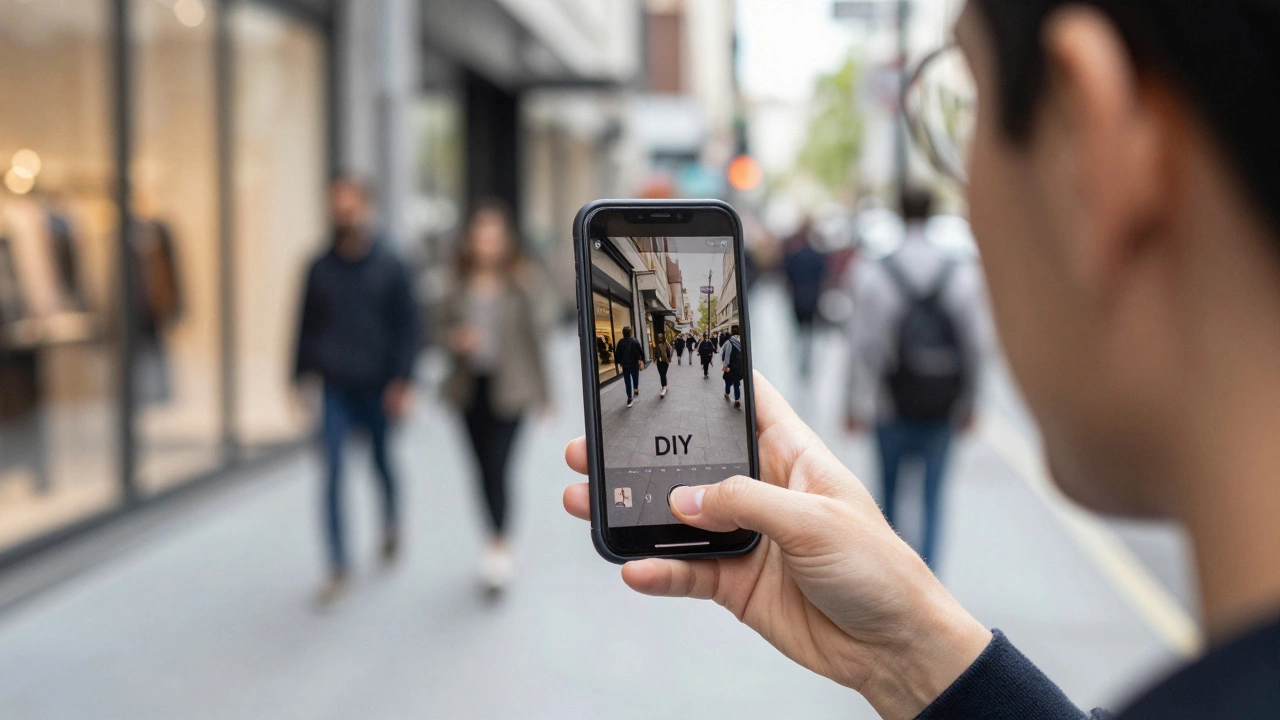
- Ignoring Mobile Optimization: 90% of your viewers will watch on phones. Shoot vertically (9:16 aspect ratio) for social media stories and reels. Save horizontal (16:9) for YouTube and website embeds.
Measuring Success: Beyond Views
Don’t just look at view counts. A thousand views mean nothing if no one calls. Focus on these metrics:
- Click-Through Rate (CTR): How many people clicked the link in your bio or ad?
- Cost Per Lead (CPL): How much did you spend to get one qualified inquiry?
- Watch Time: Did people drop off after 10 seconds? If so, your hook wasn’t strong enough.
Use these insights to refine your next campaign. Maybe change the opening shot. Maybe adjust the targeting parameters. Data-driven adjustments lead to better ROI.
Next Steps for Your Property Sale
If you have a commercial property listed, audit your current marketing materials. Do you have a compelling video? If not, start planning one today. Gather your best angles, write a tight script focusing on benefits rather than features, and decide whether to hire a pro or go DIY with high-quality equipment.
Remember, in a crowded market, differentiation is key. A well-crafted 60-second commercial doesn’t just show a building-it sells a vision. And that vision is what closes deals.
How much does it cost to produce a 60-second commercial property video?
Costs vary widely based on production quality. A basic smartphone video with editing software can cost under $200. Hiring a professional videographer with drone capabilities typically ranges from $1,500 to $5,000+ depending on location and complexity. For high-end luxury or large industrial sites, budgets may exceed $10,000 to include CGI walkthroughs and professional narration.
Should I use music in my commercial property ad?
Yes, but choose carefully. Music sets the emotional tone. Upbeat, corporate tracks work well for offices and retail. Industrial, rhythmic beats suit warehouses and factories. Always ensure you have the license to use the music, especially if running paid ads on platforms like Facebook or YouTube, to avoid copyright strikes.
What is the best platform to advertise a 60-second commercial property video?
It depends on your target buyer. LinkedIn is best for B2B transactions, targeting decision-makers like CEOs and Facility Managers. Facebook and Instagram offer broader reach and excellent visual engagement for retail and small business owners. YouTube is ideal for SEO and long-term visibility, as users often search for specific property types or locations.
Can I repurpose a 60-second commercial for other marketing channels?
Absolutely. You can cut the 60-second video into shorter 15-second clips for Instagram Stories or TikTok teasers. You can also extract still frames for email newsletters or blog posts. Just ensure you adjust the aspect ratio and captioning for each platform to maintain optimal viewing experiences.
How important is the first 5 seconds of the video?
Critical. Studies show that viewer retention drops significantly if the hook isn’t engaging within the first few seconds. Use your most visually striking shot-a sweeping aerial view, a busy street scene, or a unique architectural detail-to grab attention immediately. If you bore them early, they won’t see your call to action.