West Virginia Land True Cost Estimator
Cheap sticker prices often hide significant development and maintenance costs. Use this tool to estimate your true first-year cost based on acreage, terrain, and local factors.
First-Year Financial Overview
EstimateCost Breakdown Details:
- • Land Clearing/Grading: $0
- • Survey & Legal Due Diligence: $0
- • Access Road Maintenance: $0
- • Liability Insurance Estimate: $0
You see a listing for ten acres of wooded land in West Virginia and the price tag looks like a typo. Five thousand dollars? Ten thousand? It’s tempting to think you’ve found the bargain of the century. But before you wire your savings, you need to understand why the numbers are so low. This isn’t just about supply and demand; it’s a complex mix of geography, history, and legal quirks that most out-of-state buyers miss.
The reality is that while the sticker price is attractive, the true cost of ownership can be higher than expected if you don’t know what to look for. From fragmented titles to hidden tax implications, cheap land often comes with strings attached. Here is exactly why prices remain rock-bottom and how you can navigate this market without getting burned.
Key Takeaways
- Geographic Isolation: Rugged terrain makes development difficult and expensive, suppressing demand for residential use.
- Mineral Rights Separation: Surface owners often do not own the valuable resources beneath their feet, reducing land value.
- Property Tax Nuances: While rates are moderate, lack of local services and assessment practices can affect net costs.
- Market Liquidity: Low population density means selling later can take years, tying up your capital.
The Geography Factor: Why Location Drives Price Down
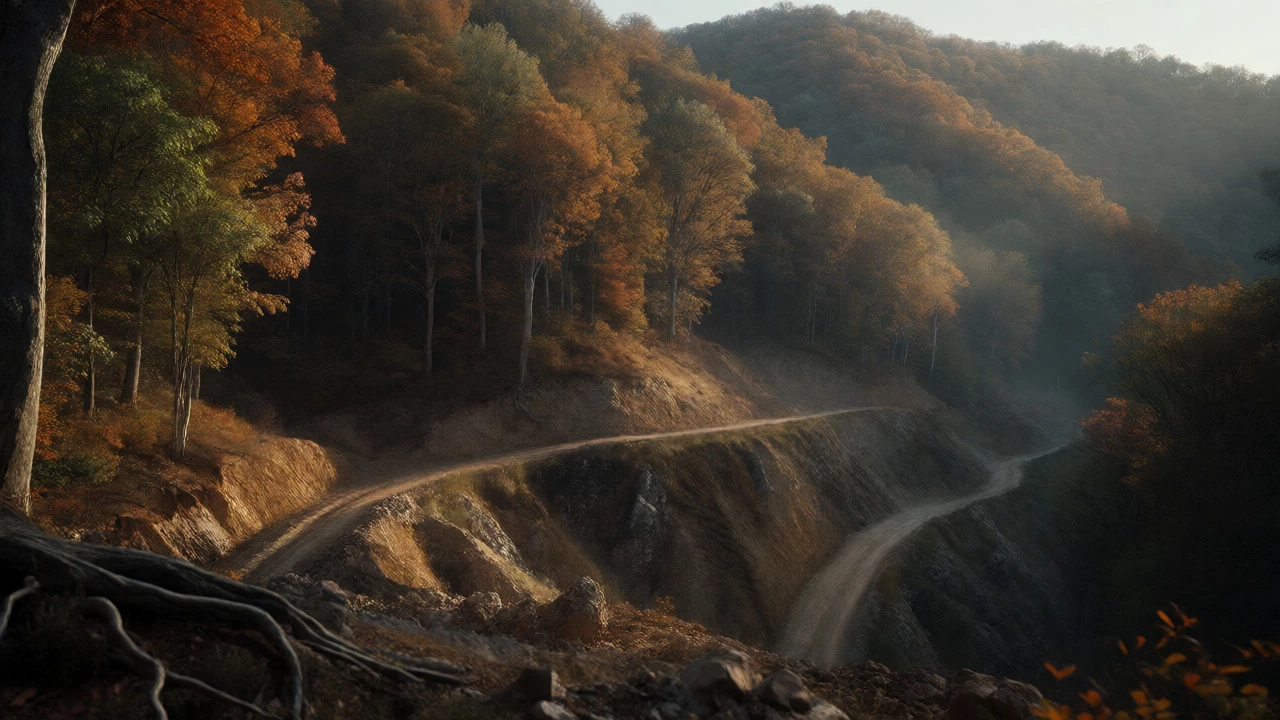
When we talk about "location," we usually mean proximity to jobs or schools. In West Virginia, location also means accessibility. The state is defined by the Appalachian Mountains, which create natural barriers to infrastructure. Building a house on flat land in Ohio is straightforward. Building on a steep, forested hillside in West Virginia requires significant earthmoving, retaining walls, and specialized septic systems.
This topography limits where people can actually live. Most economic activity clusters in narrow valleys along rivers like the Kanawha or the Ohio. Outside these hubs, land becomes less useful for traditional residential development. If you buy a plot deep in the hills, you might find that your nearest grocery store is forty minutes away. For retirees or remote workers, this isolation can be a feature, but for the general market, it’s a bug. That reduced utility directly translates to lower per-acre prices.
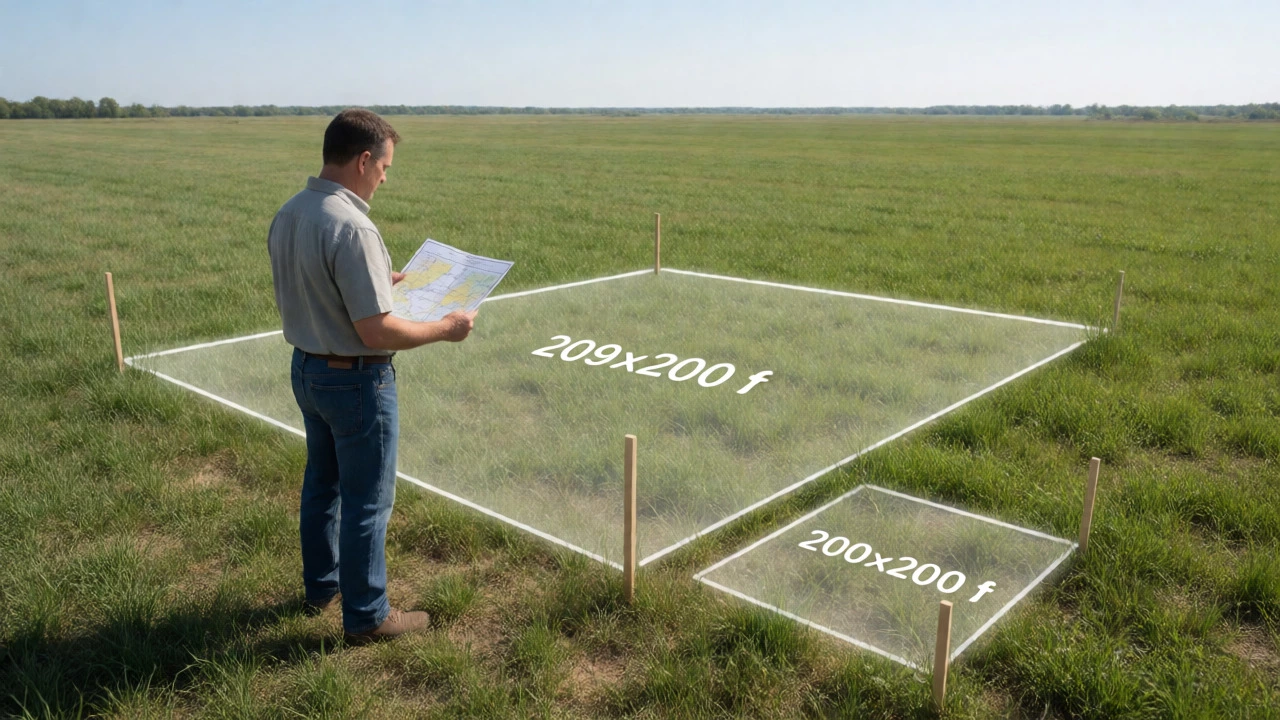
Furthermore, much of the available land is heavily wooded. Clearing trees is costly. A buyer seeing $500 an acre doesn't factor in the $10,000 needed to clear enough space for a driveway and a building pad. Sellers know this, so they price the raw land low to attract interest, knowing the developer or builder will absorb the heavy lifting costs later.
The Mineral Rights Complication
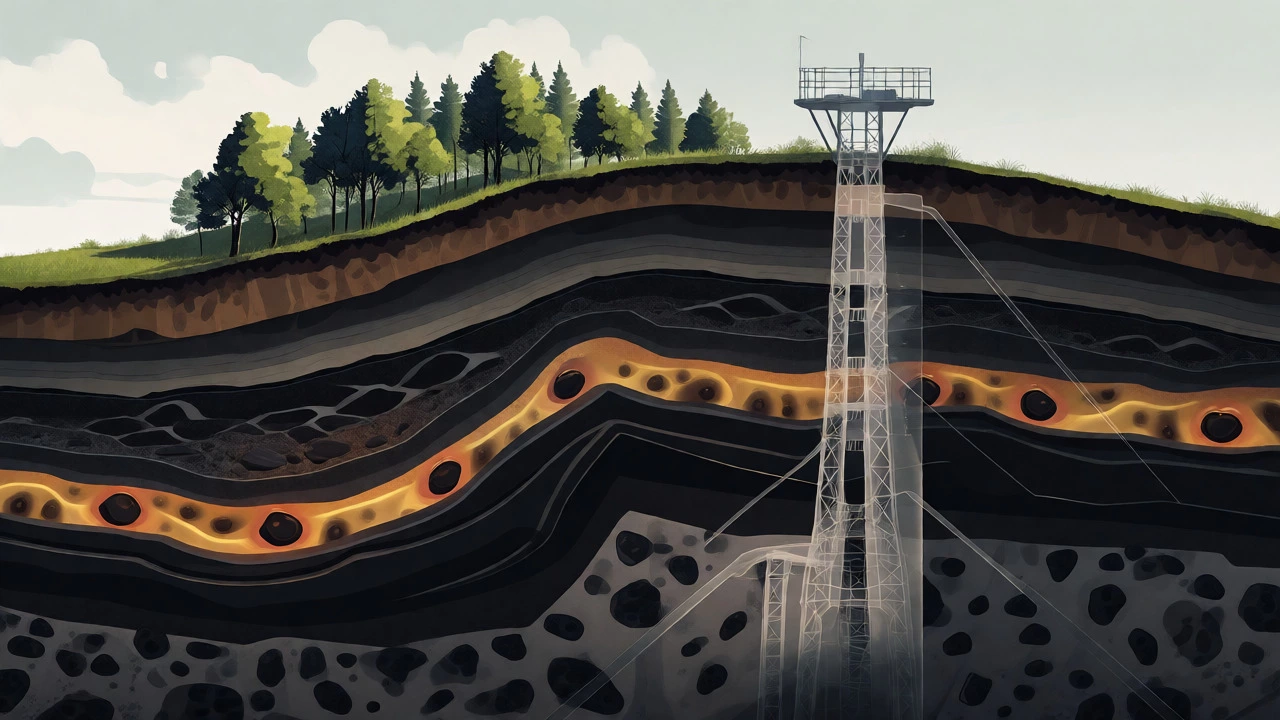
Here is the biggest trap for new investors: mineral rights are often severed from surface rights. In many parts of West Virginia, especially in counties like Mingo, Logan, and Boone, the person who owns the dirt does not own the coal, oil, or natural gas underneath it. These rights were sold off decades ago to energy companies.
Why does this matter? First, it depresses the surface value because you can't control extraction activities on your property. An energy company might have the right to drill a well or mine coal even if you own the surface. Second, while you might receive royalty checks, these are often negligible for small parcels unless the tract is large and rich in resources. For the average buyer looking for a homestead, the potential for industrial disruption outweighs the chance of a windfall, keeping surface prices suppressed.
| Ownership Type | Surface Control | Income Potential | Development Risk |
|---|---|---|---|
| Unified Estate (Surface + Minerals) | High | High (Royalties possible) | Low (Owner controls access) |
| Severed Estate (Surface Only) | Low | None to Low | High (Drilling/Mining allowed) |
Property Taxes and Hidden Costs
A common misconception is that cheap land equals zero carrying costs. Not quite. West Virginia has a property tax system based on the assessed value of the land. While the millage rates (tax rates) vary by county, they aren't always as low as people expect relative to the purchase price. More importantly, there are no economies of scale when buying small tracts.
If you buy five acres for $10,000, your annual tax bill might only be $100-$200. That seems trivial. But add in liability insurance, maintenance of access roads, and occasional survey updates, and the percentage return on investment drops significantly compared to owning rental property. Additionally, some counties impose stricter regulations on clearing land or building structures, requiring permits that cost time and money. You must check the specific zoning ordinances of the county-such as Raleigh, Fayette, or McDowell-before assuming you can build anything you want.
Market Liquidity and Population Trends
West Virginia has experienced population decline for several decades. According to recent U.S. Census Bureau data, the state lost residents between 2010 and 2020. Fewer people means fewer buyers. When you decide to sell your parcel, you won't have a line of interested parties waiting at the door. The market is thin.
This illiquidity is a double-edged sword. It allows you to buy at a discount, but it forces you to hold the asset longer. Real estate agents often report that rural land listings sit on the market for six months to two years. If you need quick cash, this is not the place to park your money. You are essentially buying a long-term store of value, not a liquid asset. Investors who ignore this timeline often get frustrated and sell at a loss, further reinforcing the perception that the land is "cheap" because it's hard to exit.
Who Should Actually Buy Here?
Despite the warnings, cheap land in West Virginia offers genuine opportunities for specific buyers. If you are looking for a hunting lease, a timber investment, or a secluded retirement spot where internet connectivity via satellite is acceptable, this market shines.
Consider these profiles:
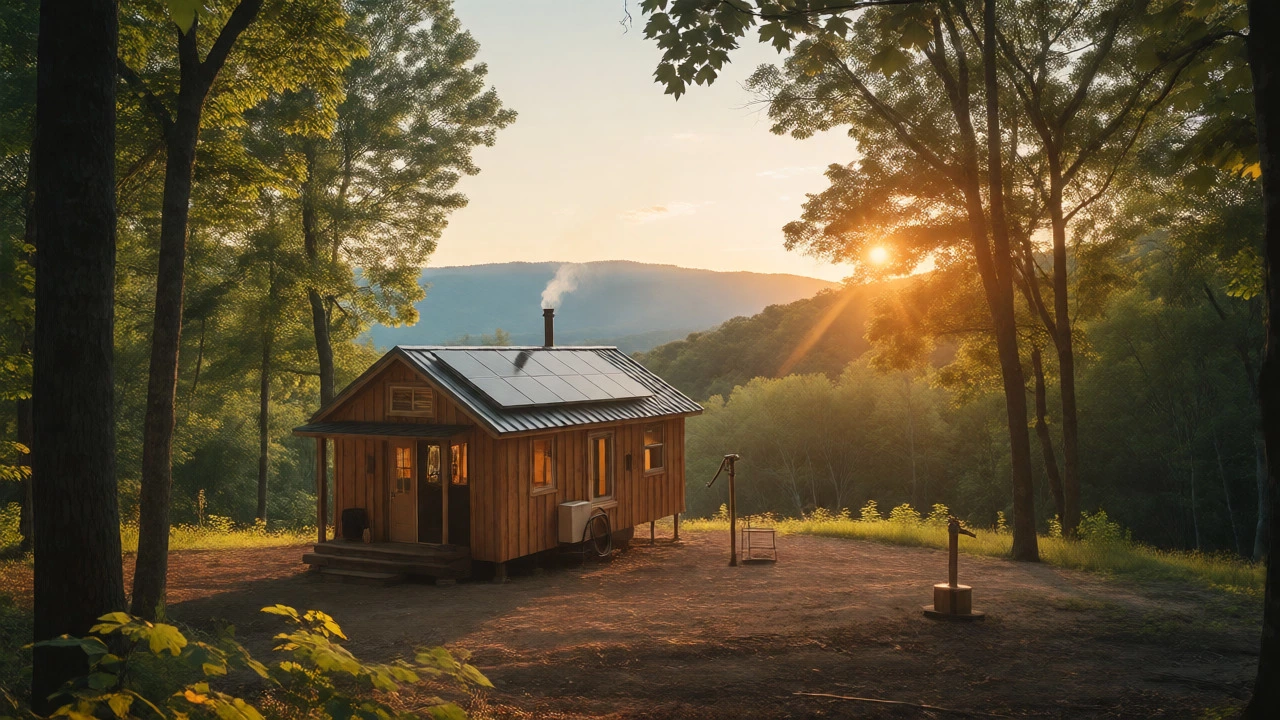
- The Homesteader: You want self-sufficiency. The low entry cost allows you to allocate more budget to solar panels, wells, and high-quality construction rather than land acquisition.
- The Recreational User: You primarily use the land for weekends. You don't care about resale speed, only usage rights. Ensure you verify access easements, as many parcels are landlocked.
- The Timber Investor: Mature hardwood forests have intrinsic value. Even if the land price is low, the standing timber can be harvested for profit, providing a yield independent of real estate market swings.
Conversely, avoid this market if you plan to flip the land within three years or if you require immediate municipal utilities like sewer and city water. Those amenities are rare outside town centers, and extending them to rural lots can cost tens of thousands of dollars.
Due Diligence Checklist
Before signing any contract, run through this checklist to ensure the low price isn't hiding a deal-breaker:
- Verify Access: Does the parcel have a recorded road easement? Or do you have to cross someone else's property? Walk the boundary lines yourself.
- Check Mineral Status: Ask the title company specifically if mineral rights are included. If they are severed, ask who holds them.
- Inspect Topography: Hire a surveyor to identify flood zones and slope stability. Steep slopes may require expensive foundation work.
- Confirm Utilities: Check distance to power poles and feasibility of drilling a well. Water quality varies significantly by region.
- Review Zoning: Confirm whether short-term rentals or mobile homes are permitted. Some counties restrict these uses.
Frequently Asked Questions
Is it safe to buy land without visiting it first?
Generally, no. Photos and drone footage cannot show you the steepness of the grade, the presence of wetlands, or the actual condition of the access road. Many buyers discover after purchase that their "wooded retreat" is actually a swampy ravine. Always visit in person or hire a local agent to inspect for you.
Can I build a tiny home on cheap West Virginia land?
It depends entirely on the county zoning laws. Some rural areas allow tiny homes on wheels (THOWs) or foundations, while others require a minimum square footage for permanent dwellings. Never assume; always call the local planning commission before buying.
What is the average price per acre in West Virginia?
As of 2026, prices vary widely. Remote, rugged timberland can go for $500 to $1,500 per acre. Flatter land near towns or with lake access can range from $3,000 to $8,000+ per acre. The "cheap" reputation applies mostly to the former category.
Do I need to worry about flooding?
Yes. West Virginia receives heavy rainfall, and flash floods are common in valley bottoms. Always check FEMA flood maps for the specific parcel. Buying in a flood zone can make insurance expensive or unavailable.
Are property taxes really low?
They are moderate compared to national averages, but not zero. Expect to pay roughly 0.5% to 1% of the assessed value annually. Since assessments lag behind market changes, your tax bill might stay stable even if you improve the land, which can be a benefit.