Total Land Ownership Cost Calculator
Estimate Your Budget
Hidden Costs & Development:
Cost Breakdown
Enter your details and click calculate to see the estimated total investment required.
You want more space. Maybe you’re dreaming of a tiny home on five acres, or perhaps you just need a quiet place to park an RV and enjoy nature without breaking the bank. But when you start looking at maps, prices can skyrocket fast. So, where do you actually go if your budget is tight? The short answer is that cheap land isn’t found in one single state; it’s found in specific regions within states like Texas, Oklahoma, and West Virginia.
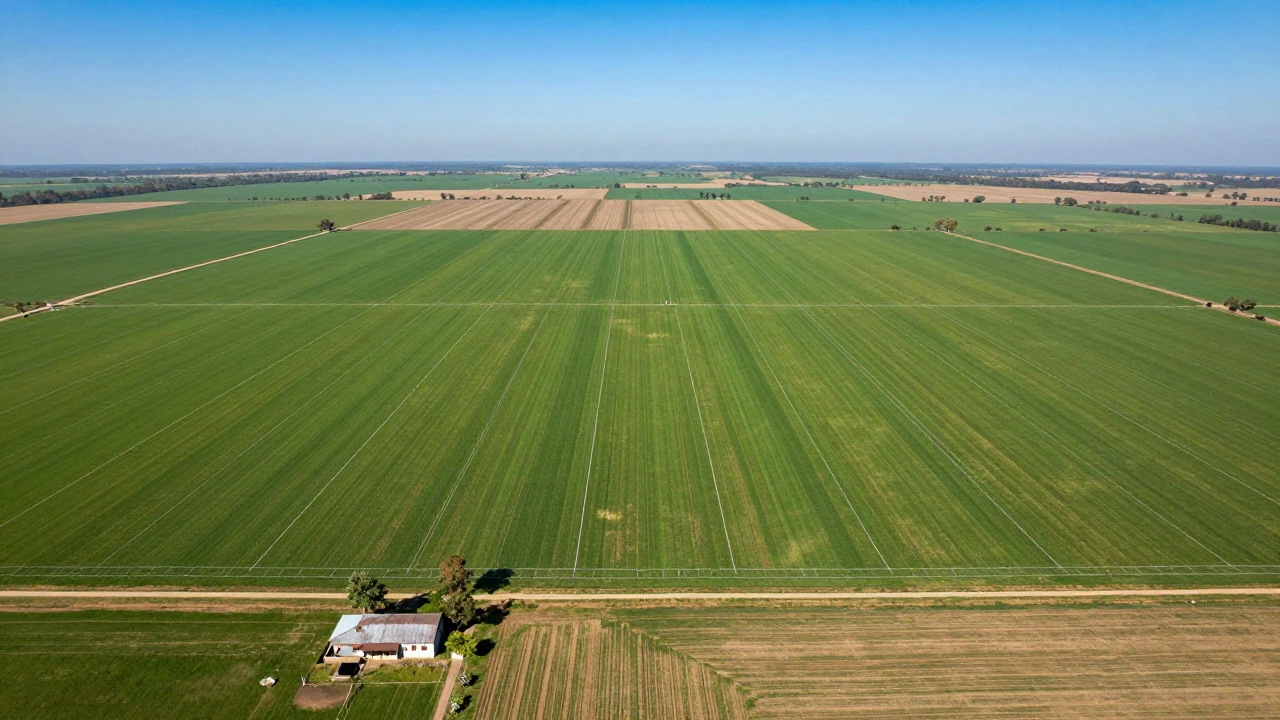
The concept of "cheapest" depends heavily on what you are buying. Are you looking for a half-acre lot for a house, or 100 acres of rugged terrain for hunting? Prices vary wildly based on location, utility access, and topography. Generally, the cheapest land per acre is found in the rural parts of the South and Midwest, where agricultural land dominates and population density is low. In these areas, you can often find parcels selling for under $1,000 per acre, sometimes even less.
Key Takeaways
- Texas and Oklahoma offer some of the lowest prices per acre for large rural plots, often dipping below $500/acre in remote counties.
- West Virginia and Arkansas provide affordable options for wooded, recreational land, ideal for cabins or off-grid living.
- Utility Access Matters: The cheapest land usually lacks water, electricity, and sewer connections, which adds significant hidden costs.
- Zoning Restrictions: Always check local zoning laws before buying; cheap land might be restricted to agricultural use only, preventing residential construction.
- Hidden Costs: Factor in road maintenance, property taxes, and potential clearing costs, which can double the effective price of the land.
Understanding the Price of Dirt
Before we dive into specific states, let’s talk about why land is cheap in certain places. Real estate value is driven by supply and demand. In states with vast amounts of undeveloped land and low population growth, the supply exceeds the demand. This pushes prices down. However, "cheap" doesn’t always mean "good." Often, low prices reflect challenges like poor soil quality, difficult terrain, or lack of infrastructure.
When you see a listing for $500 per acre, ask yourself: Is there a paved road leading to it? Is there a well nearby? Can you build a house on it? If the answers are no, that low price tag comes with a high cost of development. For example, drilling a new well can cost between $5,000 and $15,000, depending on depth and geology. Installing a septic system can add another $10,000 to $20,000. These upfront costs are critical to consider when evaluating affordability.
| State | Avg. Price Per Acre | Best For | Key Consideration |
|---|---|---|---|
| Texas | $400 - $800 | Farming, Ranching | Vast distances, heat |
| Oklahoma | $300 - $600 | Recreation, Off-grid | Tornado risk, isolation |
| West Virginia | $200 - $500 | Cabins, Hunting | Steep terrain, limited cell service |
| Arkansas | $300 - $700 | Timber, Farming | Humidity, flooding risks |
| Missouri | $400 - $900 | Suburban expansion | Rising demand near cities |
Texas: The Land of Low-Cost Acres
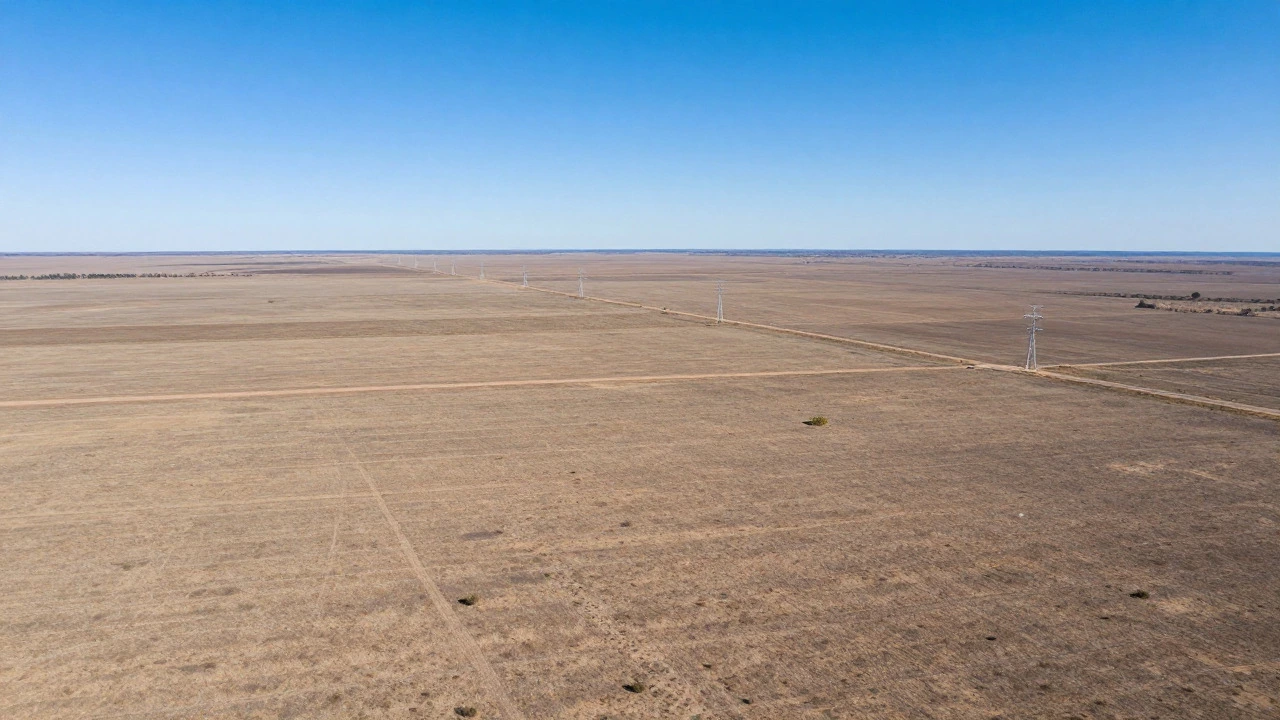
Texas is a giant, and its size works in your favor when searching for affordable land. With over 170 million acres, much of it remains undeveloped. Counties in West Texas and the Panhandle often list land for surprisingly low prices. You can find parcels in counties like Terry, Lamb, or Yoakum for as little as $300 to $500 per acre. This land is typically flat, dry, and perfect for cattle ranching or solar energy projects.
However, Texas has a catch. Water rights are separate from land ownership in many cases. Just because you own the dirt doesn’t mean you own the water beneath it. Additionally, property taxes in Texas can be high, especially if the land is reclassified from agricultural to residential. Always verify the tax history and any pending assessments before signing a contract. Also, consider the distance to major highways. Being three hours from the nearest grocery store might sound peaceful until you realize the inconvenience of daily life.
Oklahoma: Affordable and Accessible
If Texas feels too big, look north to Oklahoma. This state offers a mix of rolling hills, forests, and prairies at prices that are hard to beat. Rural counties in northern Oklahoma, such as Woods County or Grant County, frequently list land for under $400 per acre. The terrain here is more varied than in West Texas, offering opportunities for timber management and recreational activities like hiking and hunting.
Oklahoma’s appeal lies in its accessibility. It’s closer to major metropolitan areas like Dallas and Kansas City than many other rural destinations. This proximity can drive up prices slightly, but you still find deals if you look outside the immediate suburbs. One thing to watch out for is weather. Oklahoma sits in Tornado Alley, so insurance costs can be higher. Make sure to factor in windstorm coverage when budgeting for your new property.
West Virginia: Wooded Wonders
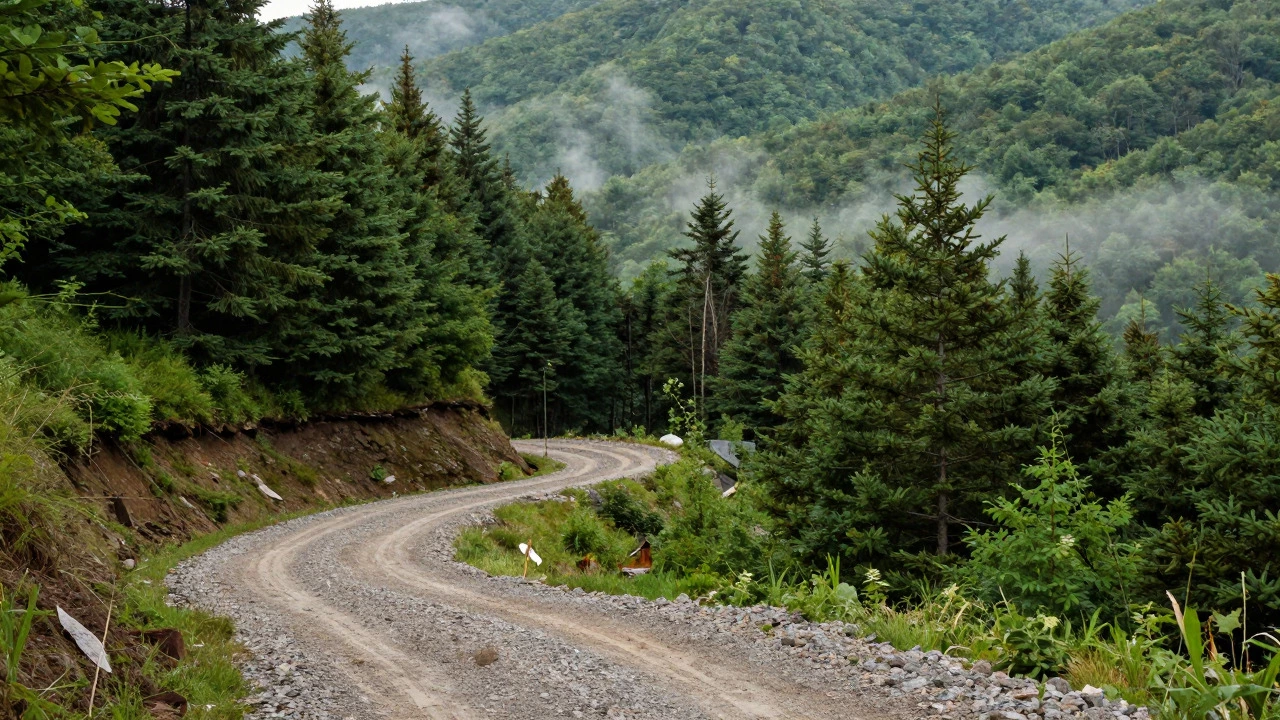
For those who prefer trees over plains, West Virginia is a standout. Known for its Appalachian mountains, this state offers dense forests and scenic views at very low prices. Counties like McDowell and Wyoming have seen economic shifts that have lowered land values significantly. You can often find wooded acreage for $200 to $400 per acre. This makes it an excellent choice for building a cabin or creating a private retreat.
The challenge in West Virginia is the terrain. Steep slopes can make construction expensive and difficult. Excavating a foundation on a hillside costs more than leveling a flat plot. Additionally, cell phone service can be spotty in remote areas. If you work remotely, test the connectivity thoroughly before committing. Internet providers like Starlink have improved access, but reliability can still vary.
Arkansas: The Natural State’s Hidden Gems
Arkansas combines affordability with natural beauty. The Ozark Mountains in the northwest and the delta region in the east offer diverse landscapes. Rural land in counties like Hempstead or Sebastian can be found for $300 to $600 per acre. This area is popular for hunting due to abundant wildlife, including deer and turkey. The soil is also fertile, making it suitable for small-scale farming or gardening.
One advantage of Arkansas is its lower humidity compared to neighboring Louisiana or Mississippi. However, flooding is a concern in river valleys. Always check flood zone maps before purchasing land near creeks or rivers. Insurance requirements can be strict in these areas, potentially increasing your annual costs. Despite this, the overall cost of living in Arkansas remains low, adding to the appeal of owning land here.
Missouri: A Balanced Choice
Missouri sits in the heart of the country, offering a balance of affordability and convenience. While prices near St. Louis and Kansas City are higher, rural counties in the southwest and northeast corners remain cheap. Places like Howell County or Barry County list land for $400 to $800 per acre. The landscape features oak-hickory forests and rolling hills, providing a picturesque setting for a homestead.
Missouri’s central location means you’re never too far from major cities, yet you can still escape into nature. The state has a strong agricultural heritage, so many communities are welcoming to new residents interested in farming. Property taxes in Missouri are moderate, and the regulatory environment for building is generally straightforward. This makes it a practical choice for first-time land buyers.

Hidden Costs That Bite Back
Buying land is rarely just about the purchase price. There are several hidden costs that can quickly erode your savings. First, consider surveying fees. Before you buy, you’ll likely need a professional survey to confirm boundaries. This can cost $500 to $1,500. Second, think about closing costs, which include title insurance, attorney fees, and recording fees. These typically range from 2% to 5% of the purchase price.
Then there’s the issue of utilities. As mentioned earlier, bringing electricity and water to remote land is expensive. If the land is not connected to the grid, you may need to install solar panels and batteries, which can cost $10,000 to $30,000. Septic systems require regular maintenance and eventual replacement. Don’t forget about property taxes, which can increase once you develop the land. Finally, consider ongoing maintenance like mowing, fence repair, and road upkeep. These recurring expenses should be part of your long-term budget.
How to Find Cheap Land
Finding affordable land requires patience and research. Start by using online real estate platforms that specialize in land sales. Websites like LandWatch, Zillow, and Realtor.com allow you to filter by price per acre and location. Look for listings that have been on the market for a while; sellers may be more willing to negotiate. Local county tax assessor websites can also provide valuable data on recent sales and property values.
Networking is another powerful tool. Talk to local real estate agents who specialize in rural properties. They often know about off-market deals or motivated sellers. Attend local community meetings or visit hardware stores in target towns to gather insights. Sometimes, the best deals come from word-of-mouth referrals rather than public listings. Always drive through the area personally to assess the condition of the land and its surroundings.
Legal Due Diligence
Before handing over any money, perform thorough legal due diligence. Check the title history to ensure there are no liens or disputes. Verify zoning regulations to confirm that your intended use is permitted. Agricultural zoning might restrict residential construction, while conservation easements could limit development rights. Consult with a local real estate attorney to review contracts and understand your obligations. This step protects you from costly mistakes and ensures a smooth transaction.
Is it better to buy land cash or finance?
Buying land cash is often easier and cheaper because lenders view raw land as risky. Financing options exist but usually require larger down payments (20-50%) and higher interest rates. If you have the funds, paying cash simplifies the process and avoids debt.
Can I live on cheap land immediately?
Not always. Many cheap parcels lack utilities and proper road access. You may need to invest in infrastructure before building a permanent residence. Temporary structures like tents or RVs might be allowed, but check local ordinances regarding overnight stays and camping.
What is the minimum acreage I should buy?
It depends on your goals. For a house, one to two acres might suffice. For farming or privacy, aim for ten or more acres. Larger parcels offer more flexibility but come with higher maintenance costs. Consider your lifestyle needs and budget constraints when deciding.
Are there tax benefits to owning rural land?
Yes, if you qualify for agricultural exemption programs. Many states offer reduced property taxes for land used for farming, forestry, or conservation. You must meet specific usage criteria and apply annually. Consult your local tax assessor for details.
How do I protect my investment in cheap land?
Buy adequate insurance, maintain clear boundaries, and keep records of all improvements. Regularly inspect the property for trespassers or damage. Stay informed about local zoning changes that could affect value. Diversifying your portfolio with different types of assets also helps mitigate risk.