Sydney $4,000 Budget Planner
Your Monthly Breakdown
Estimated Expenses
Discretionary Income
$0
Analysis & Tips
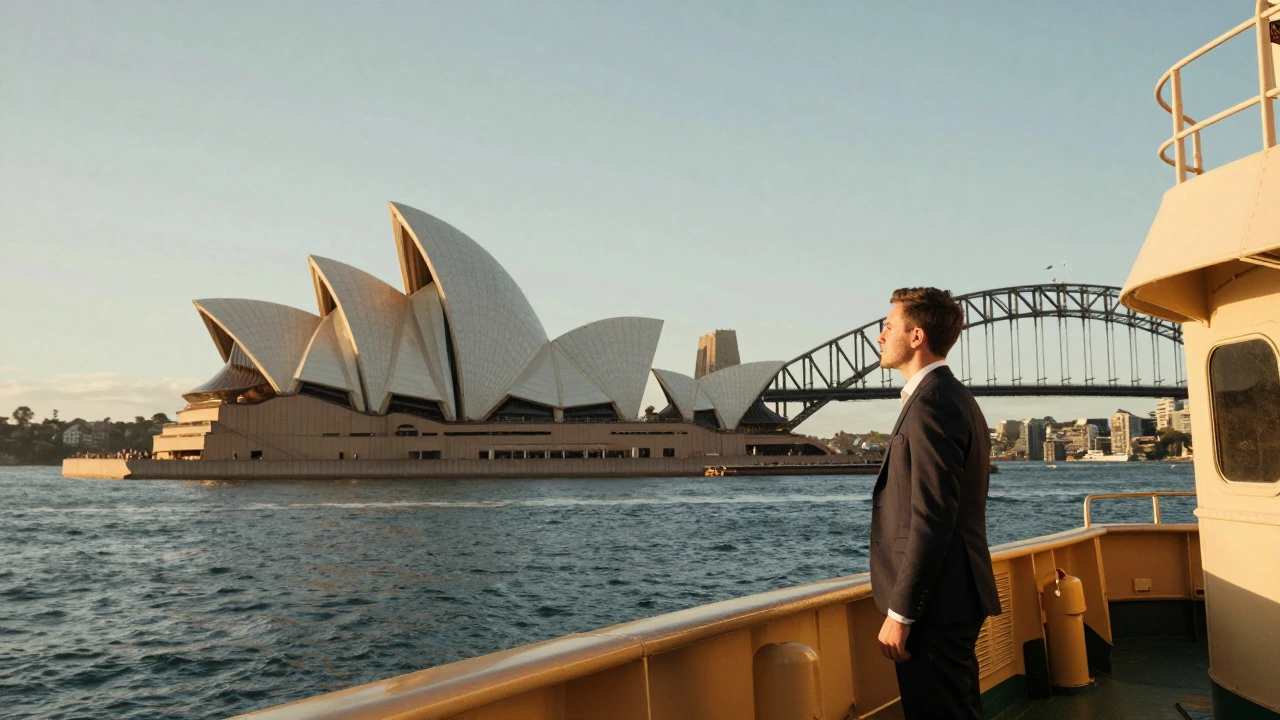
Picture this: It’s July 2026. You’ve just landed a job in Sydney, or maybe you’re already here and trying to figure out if your current income can sustain your lifestyle. The number on your payslip says $4,000 per month. Before you start dreaming about weekend brunches at Darling Harbour or renting that sleek apartment in Surry Hills, let’s get real. Is that enough?
The short answer is yes, but with major caveats. In Sydney, earning $4,000 a month puts you squarely in the middle of a very tight financial squeeze. You won’t be broke, but you certainly won’t be breathing easy. Your ability to live comfortably depends entirely on three things: where you sleep, who else is paying the bills, and how disciplined you are with discretionary spending.
The Rent Reality Check
Rent is the elephant in the room. In 2026, Sydney’s rental market remains one of the most competitive in the world. If you are looking for a standalone one-bedroom apartment in the inner city or popular eastern suburbs, forget it. Those units now command between $750 and $950 per week. That’s nearly $3,200 to $4,000 a month alone. You’d have nothing left for food, transport, or electricity.
To make $4,000 work, you need to change your strategy. Here are the realistic housing options for this budget:
- Room in a Shared House: This is the most viable option. A private room in a share house in areas like Parramatta, Bankstown, or Western Sydney typically costs between $250 and $350 per week ($1,000-$1,400/month). This leaves you with $2,600-$3,000 for everything else.
- Outer Suburbs Studio: You might find a small studio or micro-apartment in outer suburbs like Campbelltown, Penrith, or parts of Liverpool for around $400-$450 per week ($1,600-$1,800/month). This gives you privacy but significantly increases your commute time and transport costs.
- Co-Living Spaces: Newer co-living developments offer private rooms with shared amenities (kitchens, laundry, lounges) for roughly $300-$400 per week. These are often located closer to transport hubs, which can save on travel expenses.
If you choose to live alone, your rent should not exceed 30% of your gross income to remain financially healthy. At $4,000, that caps your rent at $1,200 per month ($275/week). Finding a private dwelling for that price in Sydney requires hunting in less desirable locations or dealing with older, smaller properties.
Breaking Down the Monthly Essentials
Let’s build a realistic budget based on the shared accommodation scenario, as it offers the best quality of life for this income level. We’ll assume you’re paying $1,200 per month for rent and utilities included.
| Category | Low Estimate | High Estimate | Notes |
|---|---|---|---|
| Rent & Utilities | $1,000 | $1,400 | Room in shared house or outer suburb studio. Includes internet/electricity. |
| Groceries | $400 | $600 | Cooking at home mostly. Aldi/Woolworths specials. No daily takeaway coffee. |
| Transport | $100 | $250 | Opal card cap applies. Bus/train only. No car ownership. |
| Phone & Internet | $50 | $80 | Prepaid plan + shared home Wi-Fi. |
| Health Insurance | $0 | $300 | Mandatory if over 30 on certain visas. Otherwise Medicare only. |
| Savings/Emergency Fund | $200 | $500 | Critical for unexpected repairs or medical bills. |
| Total Essential Costs | $1,750 | $3,130 |
This leaves you with a discretionary budget of roughly $870 to $2,250 per month. This is your money for dining out, gym memberships, streaming services, and social activities. It’s enough to enjoy Sydney, but not enough to indulge recklessly.
Food: The Silent Budget Killer
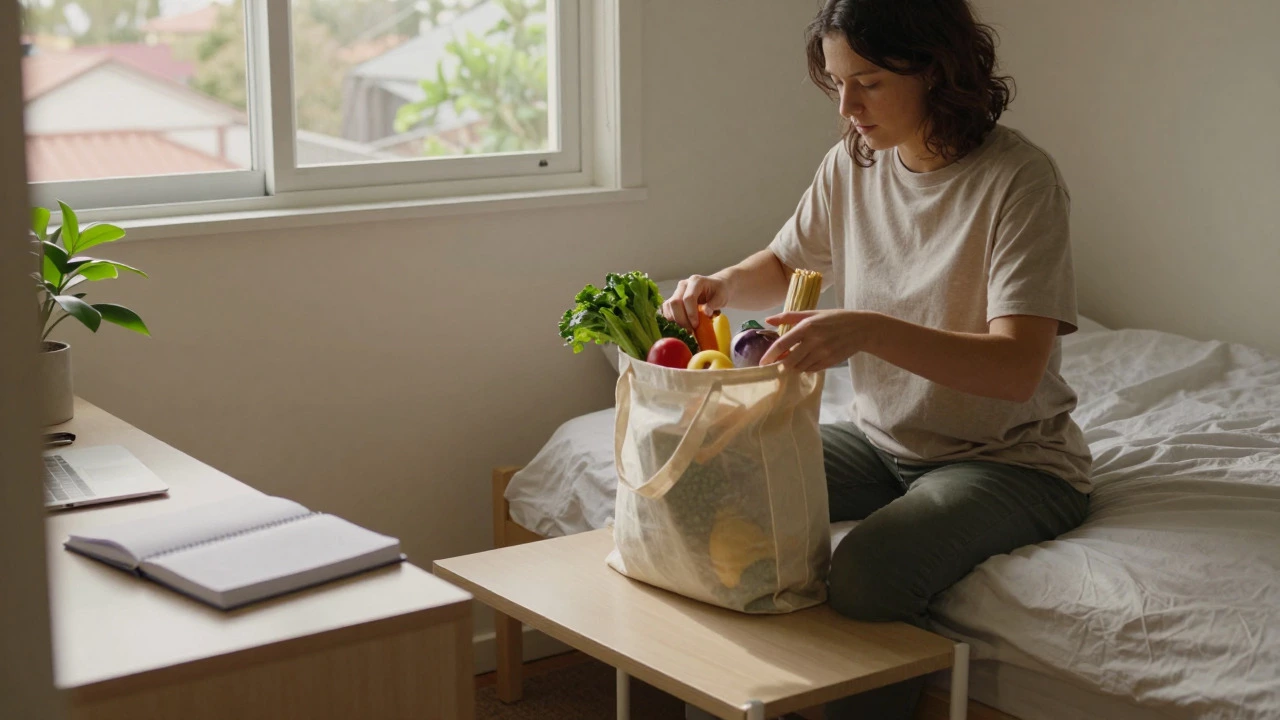
In 2026, grocery inflation has stabilized, but prices remain high compared to global averages. A single person needs to spend approximately $400-$600 a month on groceries if they cook most meals at home. This assumes you buy staples in bulk, utilize discount stores like Aldi, and avoid premium organic brands unless necessary.
The biggest threat to this budget is convenience culture. Sydney loves its coffee culture and food trucks. A flat white costs $4.50-$5.50. A casual meal out is $25-$35. If you eat out three times a week and buy coffee daily, you could easily burn an extra $300-$400 a month. To keep your budget intact, limit restaurant visits to weekends and brew coffee at home during the week.
Transport: Why You Should Ditch the Car
Owning a car in Sydney on a $4,000 monthly budget is a recipe for disaster. Between registration, insurance, fuel, parking, and maintenance, a car will cost you at least $600-$800 per month. That’s nearly 20% of your income gone before you even drive it.
Instead, rely on public transport. Sydney’s Opal card system has a weekly cap. As of 2026, the adult weekday cap is approximately $50 per week. This means no matter how many trains, buses, or ferries you take, you won’t pay more than that amount in a seven-day period. For a commuter traveling from western suburbs to the CBD, this works out to about $200-$220 per month. It’s predictable, cheap, and often faster than driving due to traffic congestion.
If you live further out, consider cycling for short trips. Many outer suburbs have improved bike lanes, and buying a second-hand bike is a one-time cost of under $200.
Lifestyle Choices That Make or Break the Budget
Your discretionary income determines whether you feel stressed or satisfied. Here’s how to stretch that remaining $1,000-$2,000:
- Socializing: Sydney has a vibrant free-to-low-cost scene. Parks like Centennial Park, Bondi Beach, and the Royal Botanic Garden are free. Look for happy hours, community events, and museum free days (like the first Sunday of the month at many institutions).
- Fitness: Skip the expensive boutique gyms. Use outdoor facilities, join a local community sports club (often subsidized), or use apps for home workouts. Basic gym memberships start around $50-$70 per month, which is manageable if prioritized.
- Entertainment: Streaming services are a must-have for many. Combining Netflix, Spotify, and Disney+ can cost around $40-$50 monthly. Share accounts with friends to split costs.
- Clothing: Shop second-hand. Sydney has excellent op-shops (charity shops) in areas like Newtown and Leichhardt where you can find quality brands for a fraction of the retail price.
Who Is This Budget For?
This $4,000 monthly budget works best for specific profiles:
- Young Professionals: Under 30, likely on a Temporary Skill Shortage (TSS) visa or Working Holiday Visa. You don’t yet have dependents and are willing to share housing.
- Students: Postgraduate students with part-time work rights. However, note that student budgets are often tighter due to lower working hour limits.
- Remote Workers: If you work remotely, you save on daily commuting costs and can live further out where rent is cheaper, potentially increasing your disposable income.
If you have children, a partner without income, or significant debt repayments, $4,000 is insufficient for a comfortable life in Sydney. You would need to look at dual-income households or government-subsidized housing programs.
Tips to Survive and Thrive
Living on $4,000 in Sydney isn’t about deprivation; it’s about intentionality. Here are actionable tips to maximize your quality of life:
- Track Every Dollar: Use budgeting apps like YNAB or MoneyBrilliant. In a high-cost city, visibility is power. Knowing exactly where your money goes prevents small leaks from becoming floods.
- Negotiate Bills: Call your internet and phone providers annually. Ask for retention deals. Switching banks to fee-free accounts can save hundreds per year.
- Buy in Bulk: For non-perishables like rice, pasta, and cleaning supplies, buy from Costco or wholesale clubs. Split purchases with housemates to meet membership requirements.
- Use Public Libraries: Sydney libraries offer free Wi-Fi, air conditioning, books, movies, and even museum passes. They are hidden gems for saving money on entertainment and connectivity.
- Avoid Lifestyle Inflation: Just because you got a raise doesn’t mean you need a better apartment immediately. Build an emergency fund first. Aim for 3-6 months of expenses saved before upgrading your lifestyle.
Conclusion: Can You Do It?
Yes, you can live on $4,000 a month in Sydney in 2026. But you cannot do it by living like someone earning $8,000. You must embrace shared housing, prioritize cooking at home, rely on public transport, and be mindful of discretionary spending. It requires discipline, but it also allows you to experience one of the world’s most beautiful cities without going into debt. The key is balance: enjoy the sunshine and the culture, but protect your savings fiercely.
Is $4,000 a month enough for a family in Sydney?
For a family of three or four, $4,000 is generally not enough to live comfortably in Sydney. Rent for a 2-3 bedroom unit starts at $600-$800 per week ($2,400-$3,200/month), leaving very little for groceries, childcare, and other essentials. Families typically need a combined household income of at least $6,000-$7,000 per month to maintain a stable lifestyle.
What is the average rent for a room in Sydney in 2026?
The average rent for a room in a shared house in Sydney ranges from $250 to $350 per week, depending on the location. Inner-city suburbs like Surry Hills or Paddington may charge $400+, while outer suburbs like Blacktown or Camden may offer rooms for $200-$250 per week.
How much does it cost to eat out in Sydney?
A casual meal at a mid-range restaurant costs between $25 and $40 per person. Fast food or street food options range from $10 to $15. Coffee costs approximately $4.50 to $5.50. Dining at high-end restaurants can easily exceed $100 per person including drinks.
Do I need health insurance if I earn $4,000 a month?
If you are an Australian citizen or permanent resident, you have access to Medicare, which covers public hospital treatment and subsidizes doctor visits. Private health insurance is optional but recommended for faster access to specialists and private hospital beds. If you are on a temporary visa, you may be required to have Overseas Student Health Cover (OSHC) or similar private insurance, costing around $500-$700 per year.
Where are the cheapest places to live in Sydney?
The most affordable areas for rent in Sydney are typically in the Western and Outer South-West regions. Suburbs such as Penrith, Campbelltown, Liverpool, Blacktown, and Fairfield offer lower rental rates compared to the Inner West, Eastern Suburbs, and North Shore. However, these areas often require longer commutes to the CBD.