Texas Land Development Cost Estimator
Buying "cheap" land often involves hidden infrastructure costs. Use this tool to estimate the true cost of turning raw acreage into a livable property.
Infrastructure Checklist
Sticker Price
$0
Est. Infrastructure Cost
$0
Total Estimated Cost
$0
Key Takeaways for Land Buyers
- Sheer Volume: Texas is massive, and the supply of rural land often outweighs the immediate demand.
- Utility Gaps: Many "cheap" lots lack water, electricity, and road access, driving prices down.
- Tax Incentives: Agriculture exemptions make holding large tracts of land much cheaper for owners.
- Regional Variance: Prices plummet once you move away from the "Texas Triangle" (DFW, Houston, San Antonio).
The Geography of Plenty
First, let's talk about scale. Texas is the second-largest state in the U.S. by both land area and population. When you have 268,597 square miles of territory, you have a lot of land that simply isn't "useful" for high-density living.
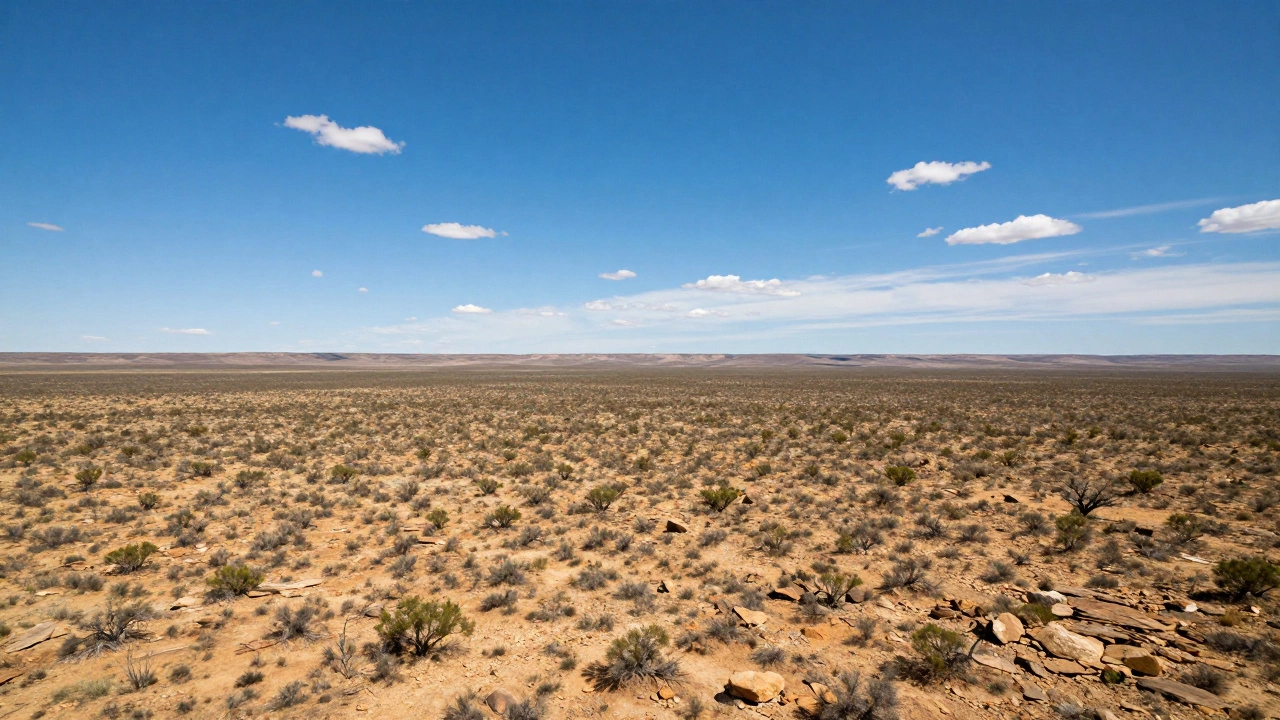
In the east and central regions, you have lush forests and rolling hills. But as you move west, you hit the Trans-Pecos and the Chihuahuan Desert. In these areas, the land is often arid and unsuitable for traditional farming without massive irrigation. Because the land can't support a city or a massive crop of corn, the market value drops. You aren't just buying soil; you're buying a specific climate. If the land can't grow anything and it's too hot for most people to live comfortably without a lot of infrastructure, the price reflects that risk.
The Hidden Costs of "Cheap" Acreage
You've probably seen a listing for a 5-acre plot in West Texas for $5,000. It looks like a steal, but here is the catch: it's often "unimproved land." In the real estate world, Unimproved Land is property that lacks basic infrastructure like paved roads, electricity, sewage systems, and potable water.
If you buy a cheap plot, you might find that the nearest power pole is two miles away. Bringing in electricity from the Electric Utility companies can cost tens of thousands of dollars per mile. Then there's the water. Many cheap Texas lots require you to drill a well, which can cost anywhere from $10,000 to $30,000 depending on how deep the aquifer is. When you add the cost of a septic system and a gravel driveway, that "cheap" land suddenly costs as much as a suburban home. Smart investors know that the low sticker price is often just a down payment on the infrastructure they'll have to build themselves.
The Magic of Agriculture Exemptions
One of the biggest reasons land stays relatively affordable (and why people hold onto it for decades) is the Agricultural Appraisal. In Texas, if you use your land for a qualifying agricultural purpose-like cattle grazing, hay production, or honeybees-your property taxes are slashed.
Without an "Ag Exemption," property taxes on large tracts of land would be astronomical. By allowing landowners to pay taxes based on the land's productivity (how much money it makes from farming) rather than its market value (what a developer would pay), the state encourages the preservation of open spaces. This keeps land in the hands of families and farmers rather than being immediately flipped into cookie-cutter subdivisions. This system creates a stable, low-cost environment for land ownership, which prevents the kind of speculative bubbles you see in urban centers.
| Land Type | Typical Price | Key Attributes | Main Drawback |
|---|---|---|---|
| Urban/Suburban | High | Zoned for residential, utilities present | Very expensive per sq ft |
| Rural Improved | Moderate | Water/Power available, road access | Higher initial investment |
| Rural Unimproved | Low | Raw land, huge acreage | High cost to develop |
| Agricultural | Variable | Tax-exempt status, productive soil | Strict usage requirements |
The Texas Triangle and the Price Gap
To understand why some land is cheap, you have to understand the Texas Triangle. This is the region between Dallas-Fort Worth, Houston, and San Antonio/Austin. Inside this triangle, land is an absolute premium. Developers are fighting over every square inch to build new housing for the thousands of people moving to the state every month.
However, the moment you step outside this triangle, the economics change. In the Panhandle or the Permian Basin, the demand for residential housing is significantly lower. While the Oil and Gas Industry drives up the value of mineral rights, the actual surface land remains cheap because there isn't a massive population surge demanding suburban sprawl in those areas. This creates a stark contrast: you can pay $15 per square foot in Plano, but only a few cents per square foot in a rural county like Loving or Jeff Davis.
Mineral Rights: The Hidden Value
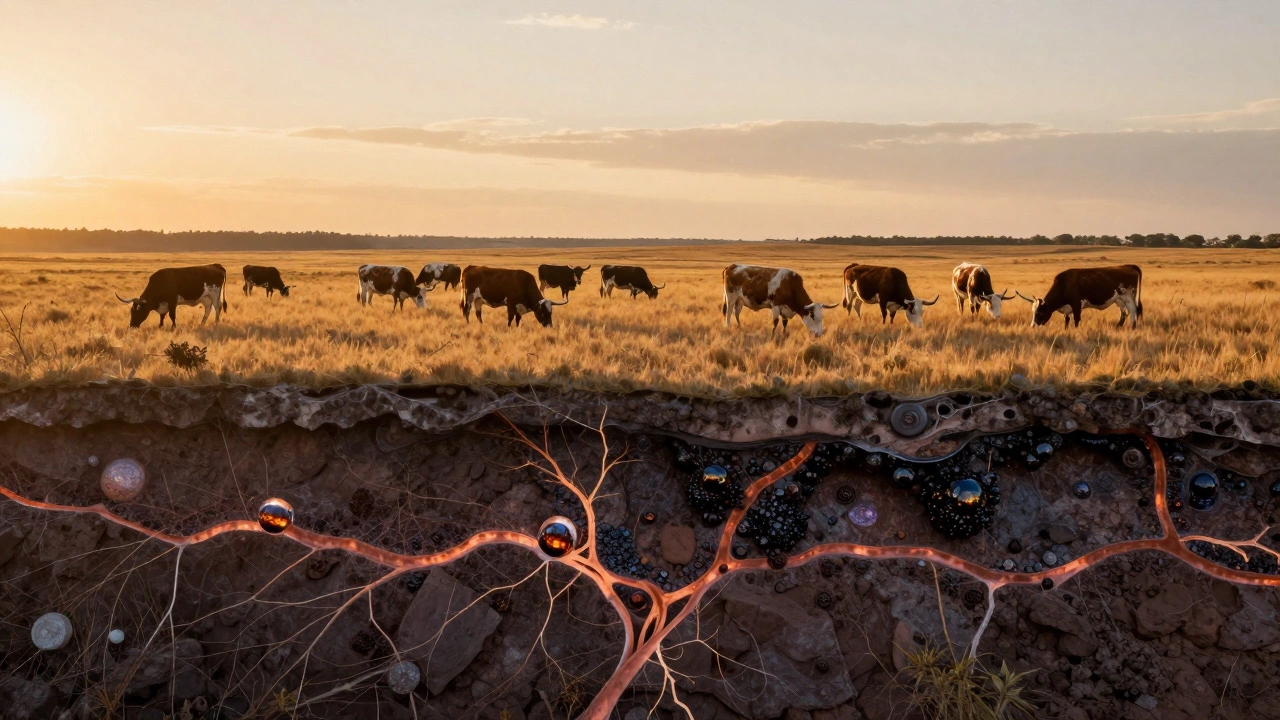
Here is a critical detail: when you buy "cheap land" in Texas, you aren't always buying everything. Texas has a unique system of Mineral Rights, which are the ownership of the oil, gas, and minerals beneath the surface of a property.
Many of the cheapest plots of land are "severed." This means the previous owner kept the mineral rights and only sold the surface rights. If you buy a plot and find out it's severed, you can't claim the royalties if an oil company finds a gusher on your property. Conversely, some land is cheap because it's sitting right on top of an active drilling site. While the mineral royalties are great, having a fleet of trucks and drilling rigs in your backyard isn't exactly the "quiet country life" most buyers are looking for. This split between surface and subsurface value is a huge driver of how land is priced.

Market Trends and Future Outlook
Is the era of super-cheap Texas land ending? In some ways, yes. The trend of "Zoom towns"-where remote workers flee cities for rural acreage-has put upward pressure on prices in the Hill Country and near the lakes. People are no longer just looking for cheap dirt; they want affordable acreage that can actually support a high-speed internet connection and a modern home.
This shift is creating a new tier of pricing. We're seeing "accessible rural" land (within 2 hours of a major city) become much more expensive, while "remote rural" land remains cheap. If you're looking for a bargain today, you have to look further west and north than you would have ten years ago. The demand is spreading, and as infrastructure like 5G and improved highways reach deeper into the backcountry, those low-cost plots will naturally climb in value.
Is it a good idea to buy the cheapest land available in Texas?
Not necessarily. Cheap land often comes with "deal-breakers" like a lack of legal road access (landlocked), no available water sources, or severe flooding issues. Always verify the title for easements and check the cost of bringing in utilities before purchasing.
How does the Ag Exemption work for new buyers?
To get an Agricultural Appraisal, you must prove the land is being used for agricultural production. This usually means having a certain number of livestock per acre or producing a crop. You apply through the local County Appraisal District (CAD).
What is the difference between surface rights and mineral rights?
Surface rights give you the right to use the top of the land for building, farming, and living. Mineral rights give the owner the right to extract and profit from oil, gas, and minerals below. In Texas, these can be owned by two different people.
Which parts of Texas have the cheapest land?
Generally, the farthest reaches of West Texas (the Trans-Pecos region) and parts of the Panhandle offer the lowest prices due to the arid climate and distance from major metropolitan hubs.
Do I need a permit to build on cheap rural land?
Texas is known for having fewer zoning laws than other states, but you still need permits for things like septic systems and electrical hookups. Some counties have stricter building codes than others, so check with the local municipality.
Next Steps for Prospective Buyers
If you're hunting for a bargain, start by deciding if you want a lifestyle property or a long-term investment. If it's the former, prioritize land within 90 minutes of a city and check for "improved" status. If you're investing, look for plots in the path of projected urban growth or areas with strong mineral potential.
Before signing anything, hire a local surveyor to mark the boundaries and a title company to ensure there are no hidden liens or ownership disputes. A "cheap" piece of land becomes very expensive very quickly if you spend five years in court fighting over where the property line actually is.