Quick Summary: Finding Your Space Balance
- The Minimalist (300-600 sq ft): Perfect for those who spend most of their time outside or work remotely from a dedicated co-working space.
- The Balanced Solo (600-900 sq ft): Ideal for a one-bedroom layout where you have a distinct separation between sleep and social areas.
- The Lifestyle Enthusiast (900-1,200+ sq ft): The sweet spot for someone who wants a home office, a guest room, or a dedicated hobby space, often found in 2BHK layouts.
- The Psychology of Space: It is less about total area and more about "zoning"-having a place for every activity.
The Psychology of the "Goldilocks" Zone
We all have a different internal barometer for comfort. For some, a 400-square-foot studio feels like a cozy nest; for others, it feels like a prison cell. The reality is that Square Footage is the total area of a living space calculated by multiplying length by width doesn't tell the whole story. What actually matters is "functional area."
Imagine you have a 1,000-square-foot apartment, but the layout is awkward, with long, useless hallways and a tiny kitchen. You might feel more cramped there than in a 600-square-foot open-concept loft. When you're living alone, you don't need a lot of "buffer" space, but you do need a clear boundary between where you work, where you eat, and where you sleep. Without these boundaries, your brain struggles to switch off, which is why many solo dwellers start feeling burnt out in studios.
Breaking Down the Options: Studio vs. 1BHK vs. 2BHK
Choosing the right size depends on your "jobs-to-be-done" at home. Do you just sleep and shower there? Or is your home your gym, your office, and your sanctuary?
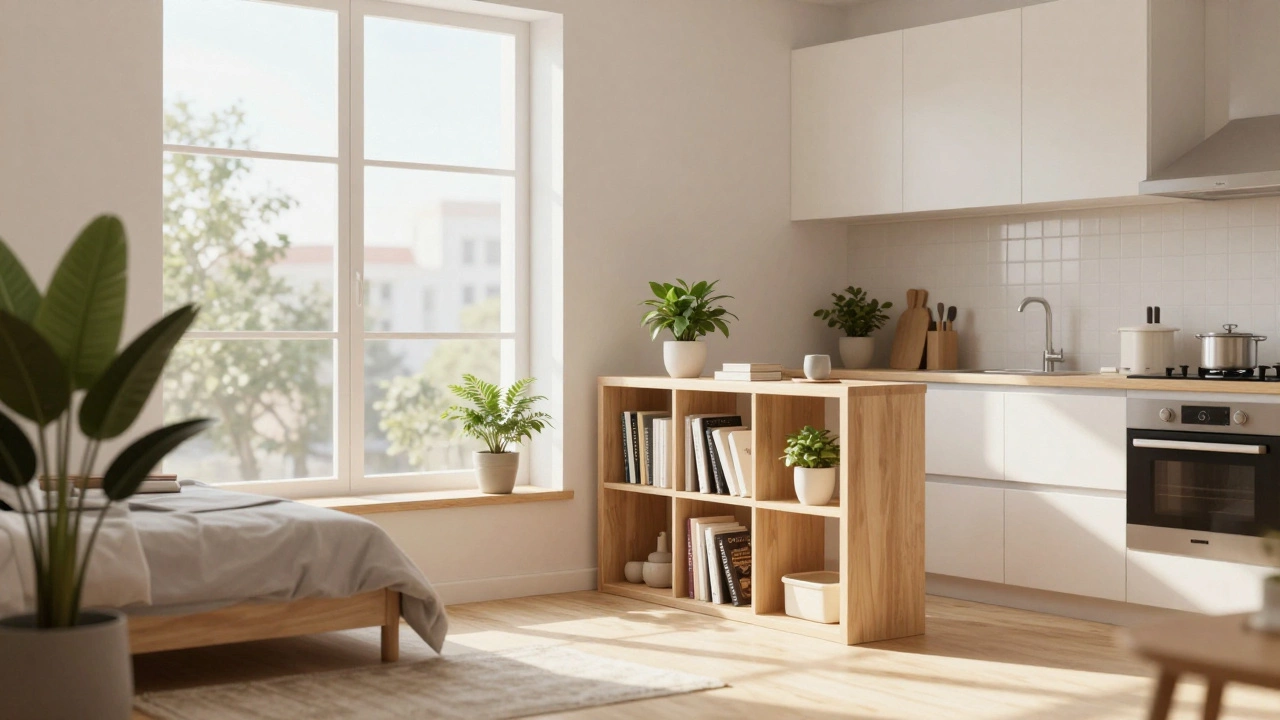
A Studio Apartment is a self-contained living space where the bedroom, living room, and kitchen are combined into one single room. These are great for the budget-conscious or the extreme minimalist. However, the "visual clutter" is the biggest enemy here. When you can see your dirty dishes from your pillow, it's hard to relax. This is why many people eventually upgrade.
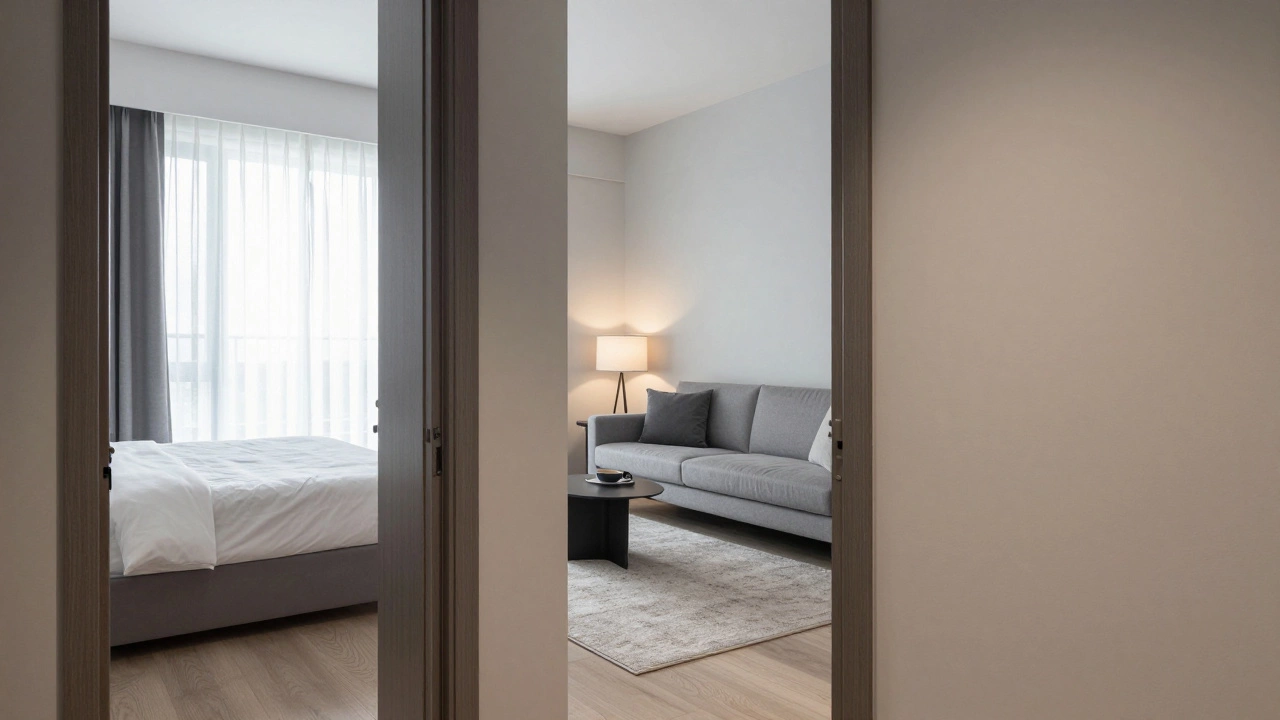
Then there's the 1BHK. This provides a critical psychological barrier: a door between your bedroom and the rest of the world. For most single professionals, this is the standard for "comfortable." You have a place to hide the laundry pile when guests come over, and your sleep hygiene improves because the bed isn't in the same room as your TV.
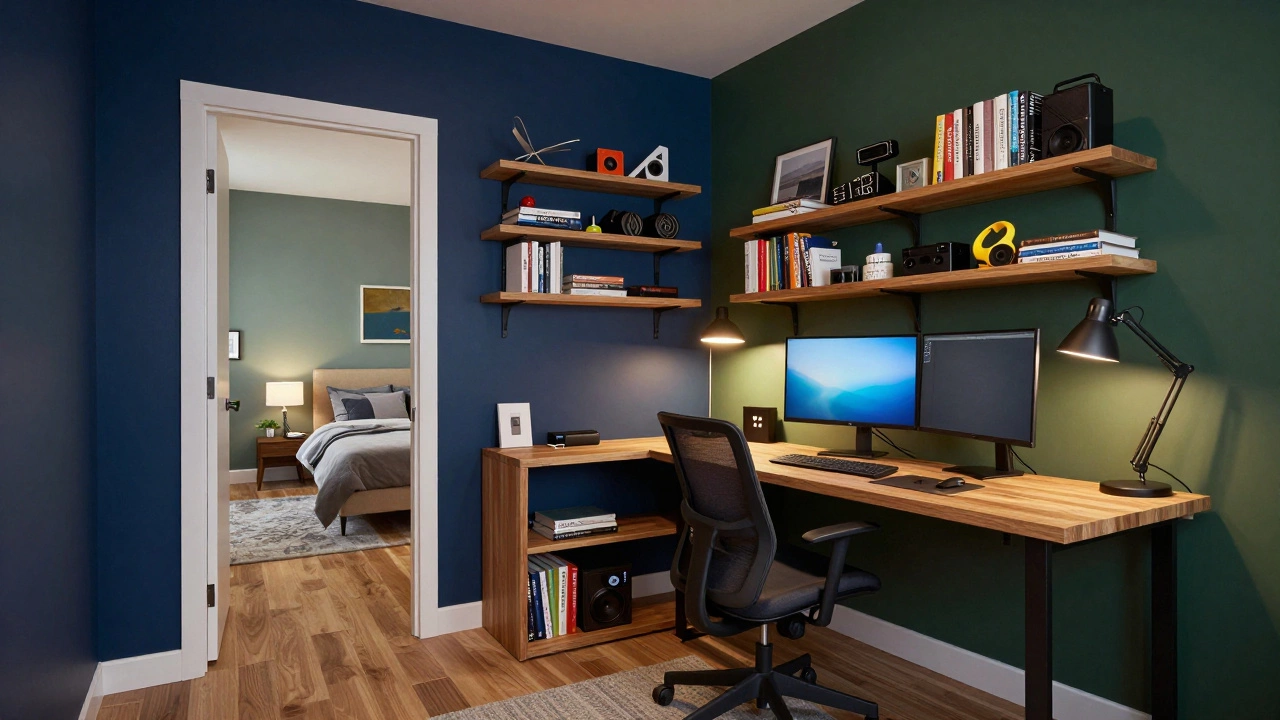
But why would a single person consider 2BHK Apartments is residential units consisting of two bedrooms, a hall (living area), and a kitchen? It sounds like overkill, right? Actually, for many, the second bedroom isn't a "bedroom" at all. It's a dedicated office, a walk-in closet, or a creative studio. In a world of hybrid work, having a door you can close at 5:00 PM to leave your "office" behind is a massive mental health win.
| Layout | Avg. Size | Best For... | Main Drawback |
|---|---|---|---|
| Studio | 300-500 sq ft | Budget/Minimalists | No privacy/zoning |
| 1BHK | 600-800 sq ft | Standard Comfort | Limited guest space |
| 2BHK | 900-1,200 sq ft | WFM/Hobbyists | Higher rent/maintenance |
The "Hidden" Space Killers
When you're browsing listings, don't just look at the total number. Look at the Floor Plan is a scaled diagram showing the relationship between rooms, spaces, and physical features. There are a few things that can make a large apartment feel small and a small one feel huge.
First, consider ceiling height. A 500-square-foot apartment with 12-foot ceilings feels significantly more airy than a 700-square-foot place with low, oppressive ceilings. Second, look at natural light. If an apartment only has one window at the end of a dark hallway, you'll feel claustrophobic regardless of the square footage. South-facing windows (in the northern hemisphere) or north-facing (in the southern hemisphere) bring in the light that tricks your brain into thinking the space is larger.
Then there's the storage issue. Nothing kills "comfort" faster than a living room filled with boxes because there's no closet. If you have a lot of gear-bikes, musical instruments, or a massive wardrobe-you might find that a 2BHK is actually the "minimum" for you, simply because you need the storage capacity to keep the main living area clear.
How to Decide Your Personal Minimum
To figure out your number, stop thinking about rooms and start thinking about "activities." Grab a piece of paper and list everything you do in a week. Do you workout at home? Do you host dinner parties? Do you spend 8 hours a day on Zoom calls?
If your list looks like this: Sleep, Eat, Work (Remote), Yoga, Reading, Occasional Guest, then a 1BHK might feel tight. You'd be fighting for space between your yoga mat and your desk. In this scenario, a 2BHK isn't a luxury; it's a functional requirement. One room for sleep, one room for the "work/wellness" hub, and a shared area for eating and lounging.
On the other hand, if you're a "city explorer" who only uses their home as a place to recharge and sleep, a studio is actually more comfortable. Why? Because it requires less cleaning and less mental energy to manage. There is a certain peace that comes with being able to vacuum your entire home in ten minutes.
Practical Tips for Maximizing Any Space
Regardless of what you choose, the way you furnish the space dictates the comfort level. Avoid the "perimeter push"-where every single piece of furniture is shoved against the walls. This actually highlights how small a room is. Instead, pull the sofa out a few inches or use a rug to create a "zone" that feels like its own room.
Invest in multi-functional furniture. A bed with drawers underneath or a dining table that folds down into a desk can save you from needing an entire extra room. Also, keep your vertical space in mind. Floating shelves and tall wardrobes use the air you're already paying for, leaving more floor space for you to actually move around.
Is a 2BHK too big for one person?
Not necessarily. While it sounds large, many solo dwellers use the second bedroom as a dedicated home office or a creative studio. If you work from home full-time, a 2BHK often provides the mental separation needed to prevent burnout, making it a very comfortable choice for a single person.
What is the absolute minimum square footage for a single person?
Technically, people live comfortably in 200-300 square foot micro-apartments, but this depends on their lifestyle. If you spend 90% of your time outdoors or in an office, a small studio is fine. For those who enjoy lounging or have hobbies, 500-600 square feet is generally considered the baseline for "comfort."
How does a 2BHK affect monthly maintenance costs?
Generally, a 2BHK will increase your costs in three ways: higher rent, higher utility bills (heating and cooling more air), and more time spent cleaning. It is a trade-off between physical comfort and financial/time flexibility.
Can I make a 1BHK feel like a 2BHK?
You can't add a room, but you can use "visual zoning." Using room dividers, bookshelves, or strategic rug placement can create the illusion of separate rooms. For example, placing a bookshelf perpendicular to the wall can carve out a small "office nook" in a living room.
What should I prioritize over square footage?
Prioritize layout and light. A smaller apartment with a smart, open floor plan and massive windows will almost always feel more "comfortable" and less restrictive than a larger, dark apartment with a confusing, choppy layout.
Next Steps for Your Space Hunt
If you're still unsure, try this: spend a weekend in an Airbnb that matches the size you're considering. If you're eyeing a 1BHK but worry it's too small, book a studio for three days. You'll quickly realize if you're someone who needs a door between their bed and their breakfast. Also, make a list of your "non-negotiables"-like a full-sized bathtub or a desk that fits two monitors-before you start scrolling through listings. This will keep you from getting distracted by a beautiful kitchen in an apartment that's otherwise too small for your needs.