Commercial Property Value Estimator
Property Financial Data
Value Enhancement Actions
Select actions to see how they boost value:
Valuation Analysis
Value Drivers Applied:
Enter your property details to estimate its market value and potential growth.
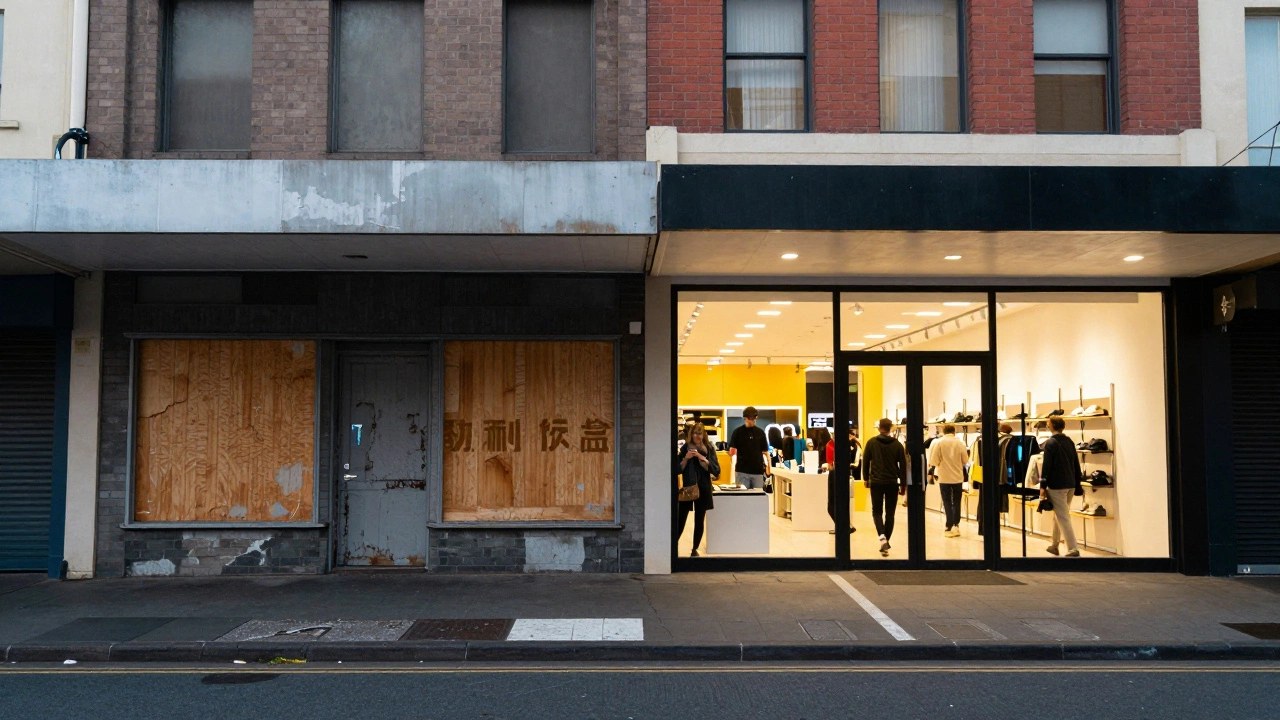
Walk past any high street in Sydney or Melbourne, and you’ll see two shops side by side. One is empty, windows boarded up, paint peeling. The other buzzes with customers, fresh signage, and a clean entrance. Why does one command double the price of the other? It’s not just luck. It’s commercial value. In the world of commercial property sale, the process of selling business-oriented real estate like offices, retail spaces, and warehouses, value isn’t just about square footage. It’s about perception, utility, and financial clarity.
If you’re holding a commercial asset and thinking about selling, you might assume the market will decide its worth. But passive ownership rarely yields top dollar. Creating value means actively shaping how buyers perceive your asset’s potential. Whether you own a struggling cafe space or an aging office block, there are concrete steps to boost its appeal and price tag before you ever list it.
The Core Drivers of Commercial Value
To create value, you first need to understand what drives it. Unlike residential homes, where emotional attachment plays a huge role, commercial real estate is coldly logical. Buyers calculate return on investment (ROI) down to the decimal point. Three pillars support this calculation: location, income stability, and physical condition.
Location is the immutable factor. You can’t move your building, but you can highlight its proximity to transport hubs, growing population centers, or industrial zones. In Sydney, for instance, properties near new light rail expansions have seen value spikes even before construction finished. Your job is to package this geographic advantage clearly.
Income stability refers to the reliability of cash flow from tenants. A property with a single short-term tenant is riskier than one with multiple long-term leases. Buyers pay premiums for predictability. If your current lease structure is messy, cleaning it up adds immediate value.
Physical condition affects both operating costs and buyer confidence. A leaky roof or outdated electrical system screams “future expense.” Fixing these issues signals that the asset is turnkey, ready for immediate use without hidden capital expenditures.
Enhancing Curb Appeal and First Impressions
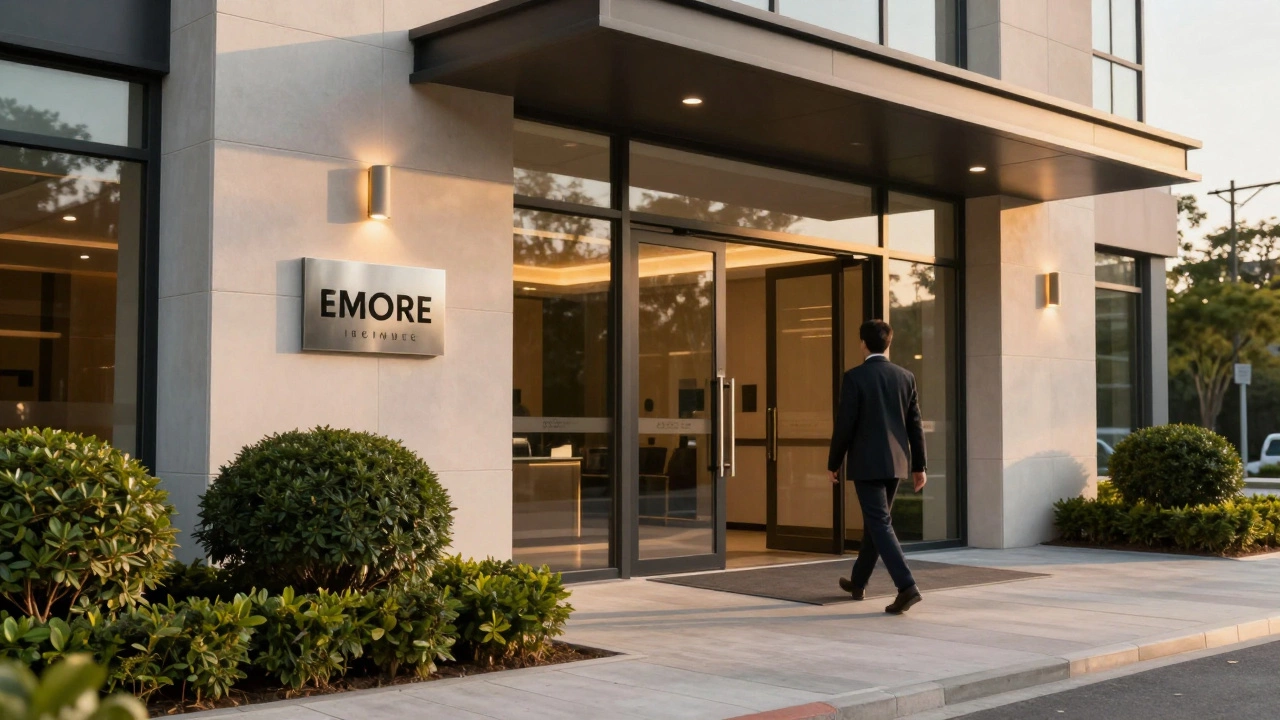
You don’t need a full renovation to make a difference. Think like a shopper walking past your property. What do they see? Is the signage faded? Are the lights broken? Is the pavement cracked? These small details scream neglect. They tell a buyer that if the exterior is ignored, the interior systems probably are too.
- Signage: Install clean, professional lettering. Even temporary vinyl wraps look better than peeling paint. Clear branding suggests a well-managed asset.
- Lighting: Replace burnt-out bulbs. Add motion-sensor security lights. Bright spaces feel safer and more inviting, which is crucial for retail and hospitality venues.
- Landscaping: Trim overgrown bushes. Sweep walkways. A tidy exterior reduces perceived maintenance burden.
- Entrance: Ensure doors open smoothly. Check locks and handles. The entry point sets the tone for the entire inspection.
These fixes cost a fraction of a major refurbishment but significantly alter the narrative. You’re shifting the story from “this needs work” to “this is cared for.”
Optimizing Lease Structures for Buyer Appeal
In commercial sales, the tenant is often as important as the building. A strong lease portfolio is a powerful value creator. If you’re selling a multi-tenant building, review each contract. Are there options to renew? Are rents below market rate?
If a tenant is paying significantly less than comparable nearby properties, consider negotiating a rent increase before listing. Even a modest bump improves the Net Operating Income (NOI), which directly increases the property’s valuation. Valuers typically apply a capitalization rate (cap rate) to NOI. A higher NOI means a higher sale price, assuming the cap rate stays constant.
Also, ensure all leases are documented clearly. Provide a summary sheet showing lease expiry dates, rental amounts, and outgoings responsibilities. Buyers hate uncertainty. Giving them a clear roadmap of future cash flows reduces their perceived risk, allowing them to offer more confidently.
| Strategy | Action Required | Impact on Value |
|---|---|---|
| Rent Review | Negotiate market-rate adjustments | Increases NOI immediately |
| Lease Extension | Secure longer terms with key tenants | Reduces vacancy risk |
| Documentation | Create clear lease summaries | Builds buyer trust |
| Tenant Mix | Diversify industries if possible | Stabilizes income against sector downturns |
Financial Transparency Builds Trust
One of the biggest hurdles in a commercial property transaction is due diligence. Buyers will scrutinize every expense. If your records are messy, they’ll assume the worst. Proactively organizing financial documents creates value by speeding up the sale and preventing last-minute price reductions.
Gather three years of profit and loss statements, tax returns, and service charge accounts. Highlight any recent improvements made to the building. Show receipts for roof repairs, HVAC upgrades, or facade cleaning. This proves that capital has been invested wisely, preserving the asset’s longevity.
Consider hiring a quantity surveyor or commercial accountant to prepare a vendor statement. This third-party validation adds credibility. When a buyer sees that an independent expert vouches for the numbers, they’re less likely to lowball you out of fear of hidden liabilities.
Positioning the Asset for the Right Buyer
Not all buyers are created equal. An investor looking for yield wants different things than an owner-occupier seeking a home base. Tailoring your marketing message to the right audience can unlock higher bids.
If your property suits end-users-like a medical center or a specialized warehouse-highlight operational efficiencies. Talk about ceiling heights, loading dock access, or compliance with health regulations. For investors, focus on growth potential. Discuss demographic trends, upcoming infrastructure projects, or historical appreciation rates in the area.
Use professional photography and virtual tours. High-quality visuals allow serious buyers to assess the property remotely, filtering out tire-kickers. This ensures that only qualified parties schedule inspections, keeping momentum high during the campaign.

Avoiding Common Pitfalls
Creating value isn’t just about adding features; it’s about removing friction. Here are common mistakes that destroy value:
- Over-improving: Don’t spend $100,000 renovating a budget-grade strip mall. The market won’t absorb the cost. Stick to cosmetic updates and essential repairs.
- Hiding defects: Always disclose known issues. Surprises during inspections lead to renegotiations or collapsed deals. Transparency builds negotiation leverage.
- Poor timing: Selling during economic downturns or when interest rates spike can suppress prices. Consult with local agents about market cycles.
- Ignoring zoning: Verify current zoning laws. If your property has mixed-use potential, highlight it. Zoning flexibility is a massive value driver.
By avoiding these traps, you protect the value you’ve worked hard to build. Remember, the goal is a smooth transaction, not just a high asking price.
Next Steps for Sellers
If you’re ready to sell, start with a pre-sale audit. Walk through your property with fresh eyes. Ask yourself: Would I buy this? Then, engage professionals who specialize in commercial assets. A good agent doesn’t just list properties; they strategize sales. They know which buyers are active and how to position your unique asset.
Finally, be patient. Creating value takes time. Rushing into a sale without preparation often leads to regret. Take the steps outlined here, polish your asset, and present it with confidence. The market rewards those who prepare.
What is the most important factor in creating commercial value?
While location is fixed, the most actionable factor is income stability. Buyers pay more for predictable cash flows. Ensuring your leases are robust, rents are market-aligned, and documentation is clear directly boosts the property's valuation.
How much should I spend on renovations before selling?
Focus on high-impact, low-cost improvements. Cosmetic fixes like painting, lighting, and signage often yield the best return. Avoid major structural changes unless they address critical defects, as the market may not recoup the full investment cost.
Does having a tenant always increase property value?
Generally, yes, because it provides immediate income. However, a bad tenant with a long, below-market lease can decrease value. It’s better to have a vacant property with strong rental potential than one tied to unfavorable terms.
How do I find the right buyer for my commercial property?
Work with a specialist commercial agent who understands your asset type. They can target specific investor groups or owner-occupiers based on the property’s strengths, such as zoning flexibility or existing income streams.
What documents should I prepare before listing?
Prepare three years of financial statements, current lease agreements, title deeds, zoning certificates, and records of recent maintenance. Organized documentation speeds up due diligence and builds buyer confidence.