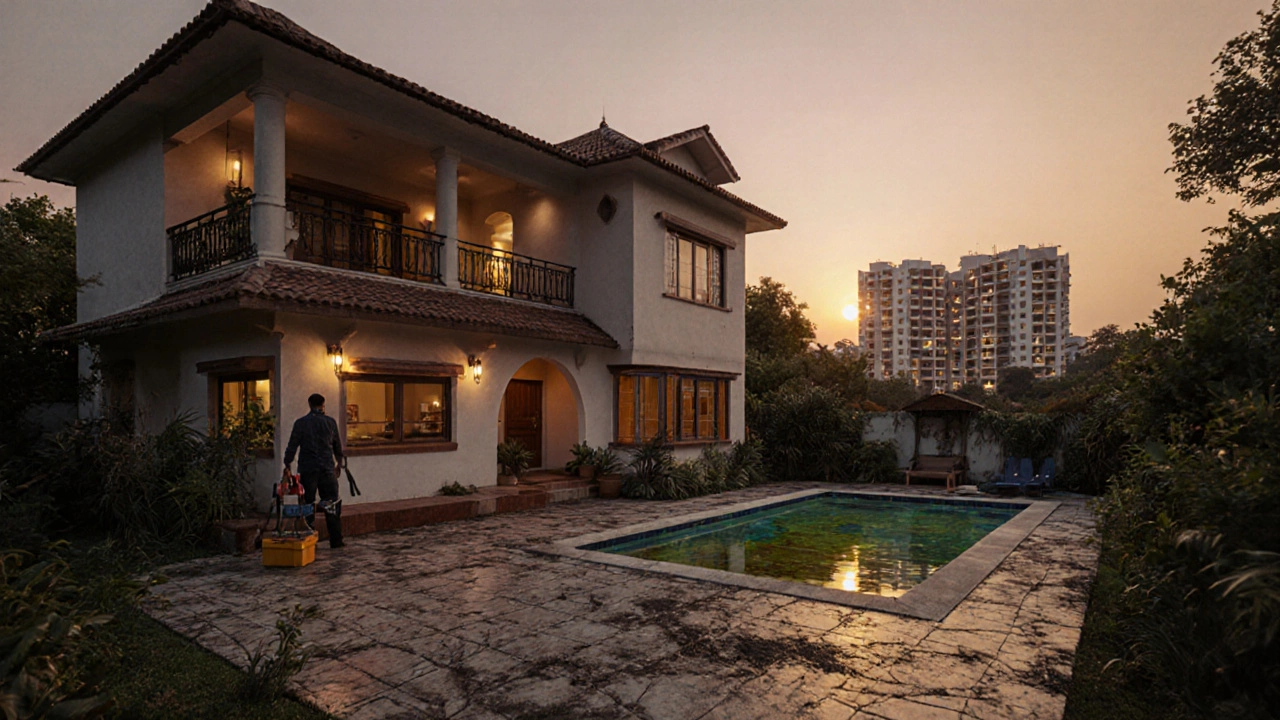
Villa Maintenance: How to Keep Your Luxury Home in Top Shape
When you own a villa, a standalone luxury residence with private outdoor space, often featuring high-end finishes and expansive layouts. Also known as luxury home, it’s more than just a place to live—it’s an investment that needs regular attention to hold its value. Unlike apartments or townhouses, villas come with more space, more systems, and more things that can break down if ignored. A cracked tile on the terrace, a clogged drainage line near the pool, or an overgrown garden isn’t just an eyesore—it can turn into a costly repair if left unchecked.
Villa maintenance, the routine care required to preserve the structure, systems, and aesthetics of a standalone luxury home isn’t about fancy gadgets or expensive contractors. It’s about consistency. Most villa owners overlook the basics: checking roof gutters twice a year, testing pool pumps monthly, and inspecting exterior paint for peeling. These small tasks prevent bigger problems. For example, a blocked gutter can lead to water seeping into your walls, which then leads to mold, structural damage, and a drop in property value. Similarly, neglecting your HVAC system in a humid climate like India’s can mean higher energy bills and a shorter lifespan for your equipment. And don’t forget the outdoor areas—your garden, driveway, and terrace need regular cleaning and sealing to resist weathering and stains.
What makes villa upkeep different is the scale. You’re not just maintaining a living room—you’re managing a small estate. That means tracking multiple systems: irrigation, security lighting, fencing, swimming pool chemistry, and even outdoor kitchen appliances. Many villa owners in communities like Shriram Chirping Woods hire part-time help for weekly cleaning and monthly inspections. That’s not a luxury—it’s smart economics. A $200 monthly service can save you $5,000 in emergency repairs. And if you’re renting out your villa, consistent maintenance isn’t optional—it’s a legal and financial requirement to keep tenants happy and your income steady.
There’s no magic checklist that fits every villa, but the core principles do. Clean, inspect, fix, repeat. Start with the big three: roof, plumbing, and drainage. Then move to the details—window seals, door locks, outdoor furniture, and lighting. Keep a simple log. Note when you last cleaned the pool filter, replaced air filters, or pressure-washed the driveway. You’ll thank yourself six months later when you’re not scrambling before a guest arrives.
What you’ll find below are real, practical guides from owners and experts who’ve been there. Whether you’re new to villa living or you’ve lived in one for years, these posts cover everything from seasonal checklists to DIY fixes that save money. No fluff. No theory. Just what works.